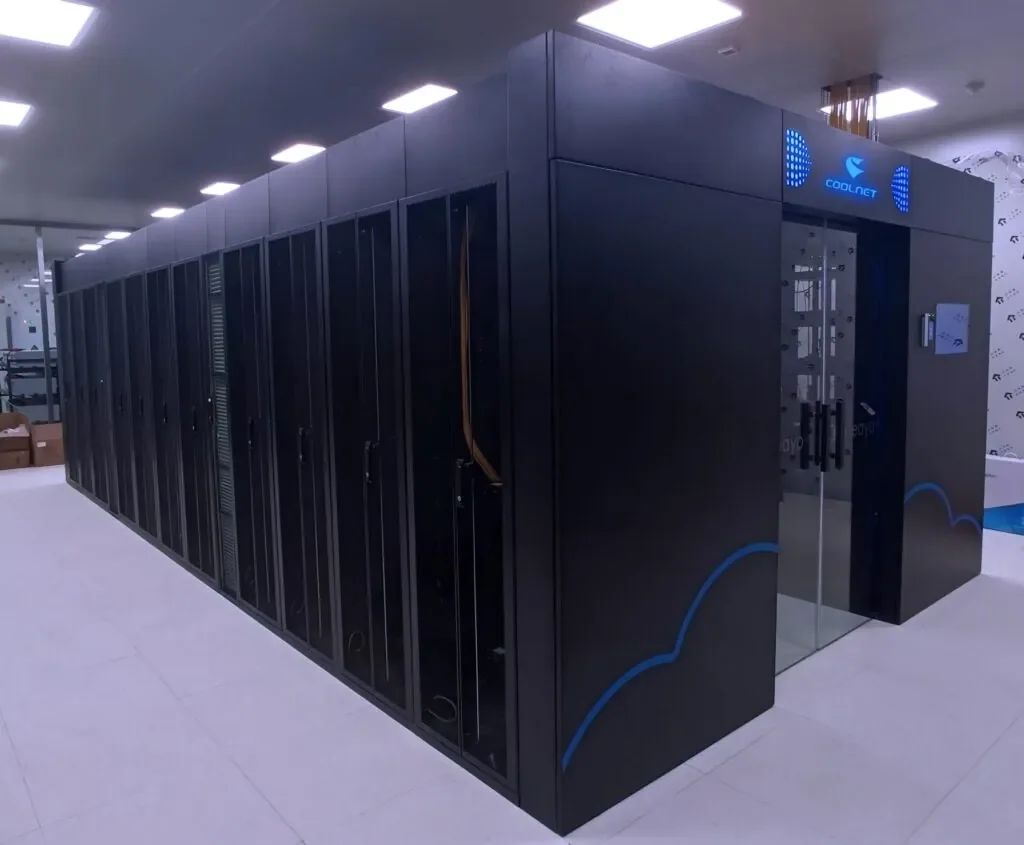
Modern data centers face increasing demands for performance and density, making cooling strategies a critical factor in operational efficiency. At Coolnet, we recognize that selecting the right cooling solution is essential for maintaining system stability and protecting investment in IT infrastructure. Our experience shows that both airflow management and liquid-based approaches have distinct roles depending on the density and performance requirements of the deployment. Effective use of direct-to-chip liquid cooling can significantly improve heat removal in high-density environments while maintaining energy efficiency.
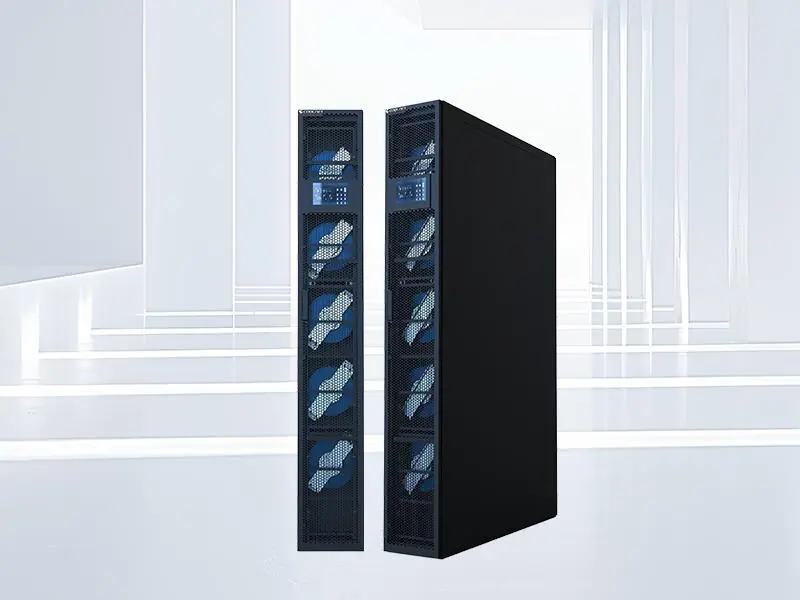
Air-Cooled vs Liquid-Cooled Solutions
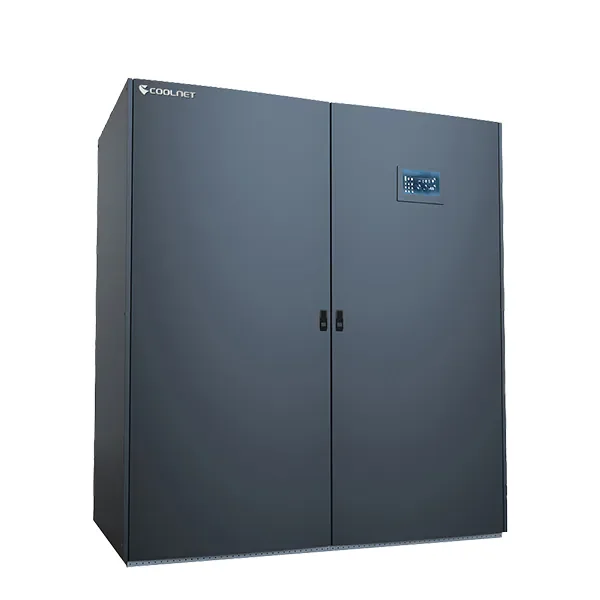
Traditional air-cooling systems are well-suited for low- to medium-density computing environments. They are relatively simple to deploy and integrate with existing infrastructure. However, as compute density increases, air alone may not be sufficient to manage localized hotspots. Liquid cooling solutions, including liquid cooling CDU unit configurations, provide a more direct method of heat removal by transferring thermal energy away from critical components. In many modern deployments, we implement hybrid strategies that combine air-cooling for general areas with targeted liquid cooling for high-performance racks. This flexible approach allows us to optimize direct-to-chip liquid cooling performance where it is most needed.
Advantages of Liquid Cooling
Liquid cooling offers several operational benefits that are particularly relevant in high-density data centers. By removing heat at the source, liquid cooling CDU unit systems allow for more compact server layouts without compromising reliability. This also reduces overall energy consumption, contributing to lower operational costs. We have observed that integrating liquid cooling enhances hardware longevity and minimizes the risk of thermal throttling, ensuring that compute resources operate consistently under peak load. Our solutions are designed to work seamlessly with monitoring and control systems, providing reliable temperature management across all racks.
Factors Influencing Cooling Decisions
Choosing between air-cooled and liquid-cooled systems depends on multiple factors, including server density, energy efficiency goals, available budget, and maintenance capacity. We assess each data center project individually, balancing these factors to determine whether full liquid cooling, hybrid configurations, or traditional air-cooling systems are most appropriate. Direct-to-chip liquid cooling is particularly advantageous for installations requiring high performance in limited space, while liquid cooling CDU unit systems can be scaled according to power and cooling needs without extensive infrastructure modifications.
Conclusion: Optimizing Efficiency and Flexibility
In our experience, liquid cooling provides a clear efficiency and flexibility advantage in modern high-density data centers. Compared with air-cooling alone, direct-to-chip liquid cooling and liquid cooling CDU unit solutions support tighter equipment layouts, improve energy efficiency, and enhance long-term hardware reliability. At Coolnet, we continue to develop and deploy liquid cooling technologies that address evolving computational demands while ensuring operational stability and cost-effectiveness.