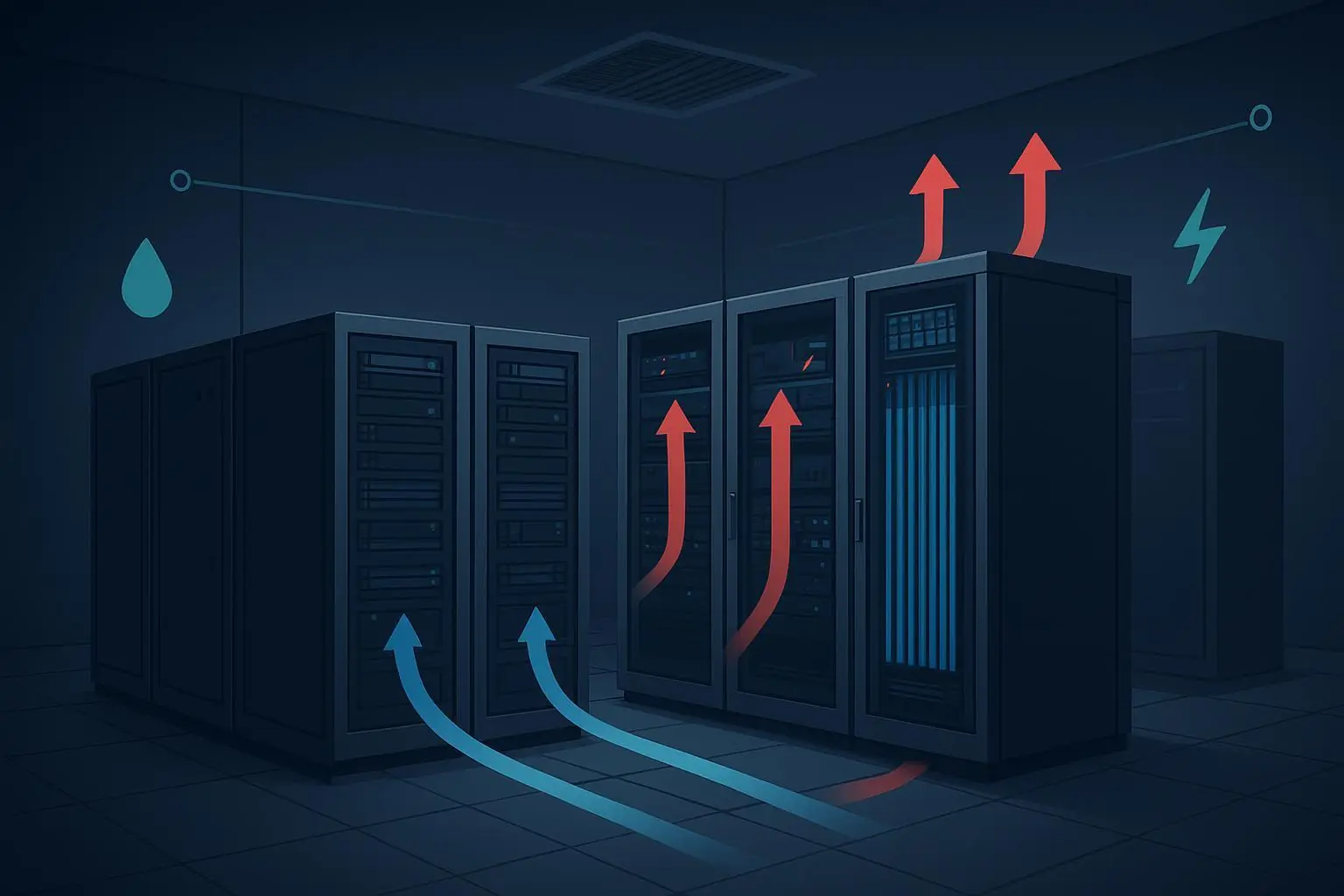
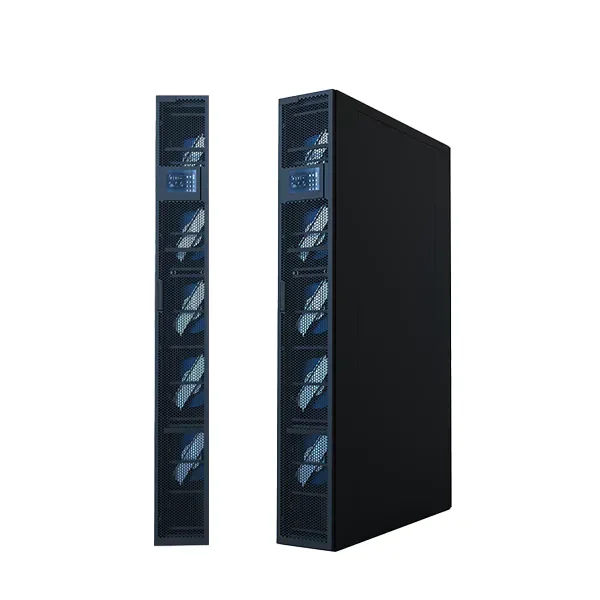
In the world of mission-critical infrastructure, a common misconception is that standard comfort cooling can suffice for high-density IT environments. At Coolnet, we believe it is vital to understand why professional cooling is highly important. Unlike residential units, which focus on latent heat and human comfort, IT equipment exhibits high sensible heat characteristics, meaning it generates massive amounts of dry heat without changing the humidity. To prevent hardware failure, these facilities require 7×24-hour operation with zero downtime. Even minor fluctuations in temperature or humidity can lead to static electricity buildup or condensation, both of which are lethal to sensitive servers. Therefore, we treat cooling not just as an appliance, but as a specialized system engineering project designed to maintain a stable operating environment for digital assets.
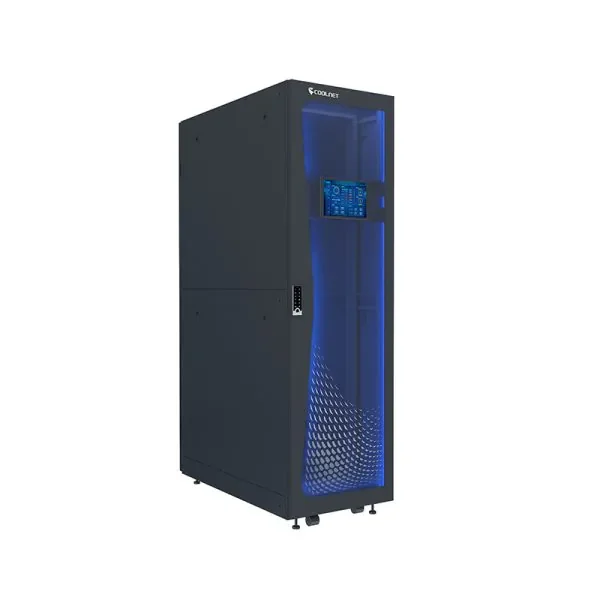
Why Computer Room Air Conditioning Cannot Be Substituted
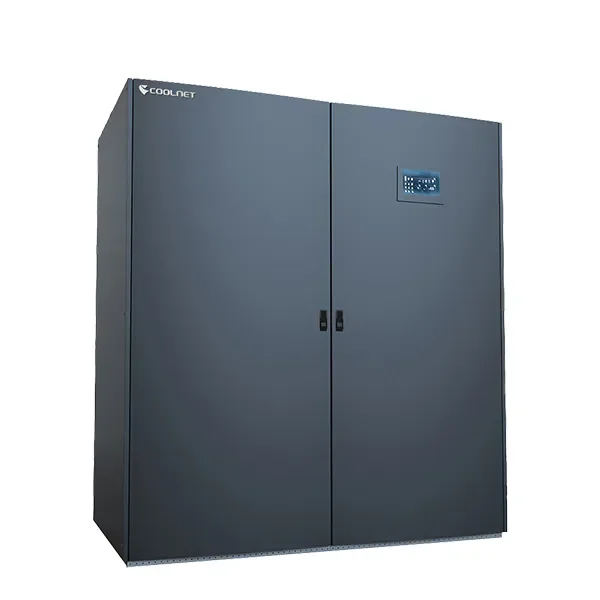
Standard air conditioners are simply not built to handle the rigorous duty cycles of a data facility. We have engineered our computer room air conditioning systems to provide the constant airflow and rapid heat dissipation that modern processors demand. A typical domestic unit may struggle with the high return air temperatures found in a server rack, leading to compressor strain and eventual failure. Our professional solutions, however, are designed with a high sensible heat ratio and robust components that thrive in these demanding conditions. By maintaining precise control over the internal environment, we ensure that the thermal expansion of microchips is kept within safe limits, thereby extending the lifespan of the hardware and reducing the total cost of ownership for our clients.
Managing Stability and PUE Pressure in Modern Data Centers
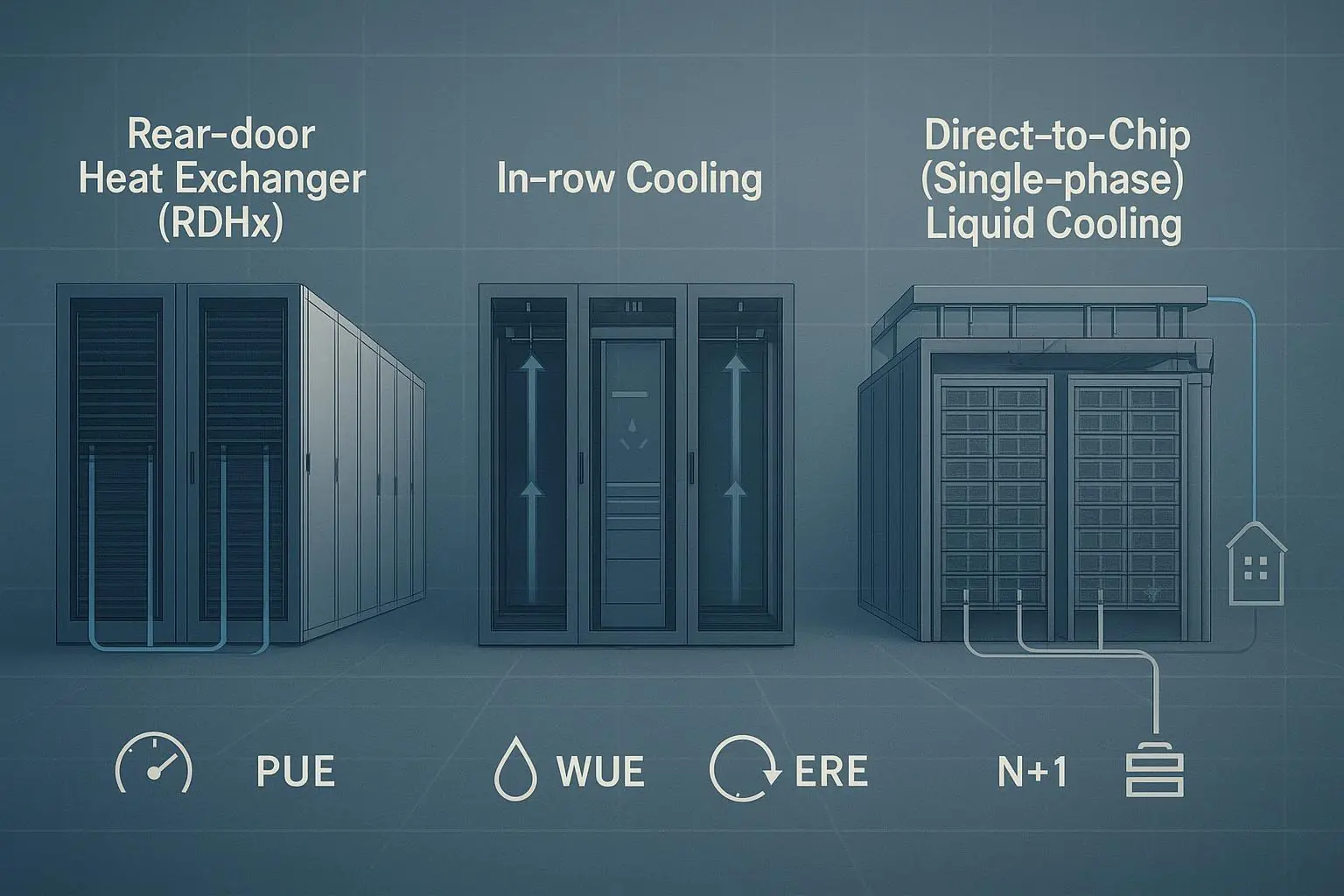
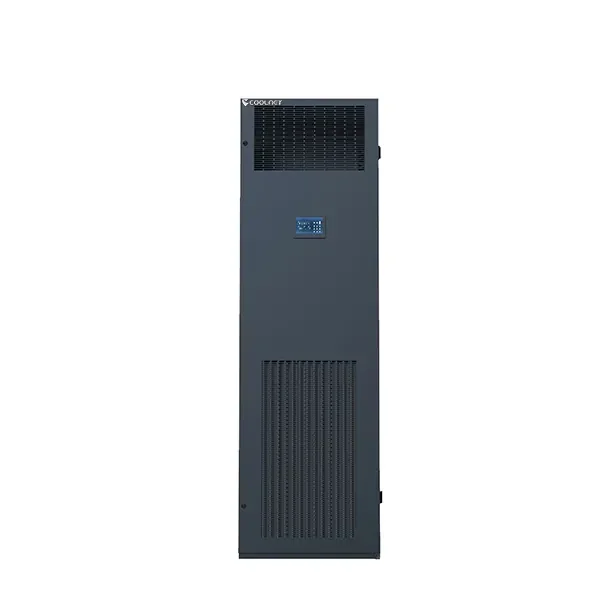
For large-scale data center operators, the twin challenges of maintaining zero downtime and lowering Power Usage Effectiveness (PUE) are ever-present. Within these high-density environments, localized hotspots can emerge rapidly as rack power increases. At Coolnet, we address these pain points by deploying high-sensible-heat precision air conditioning systems that utilize N+1 redundancy architectures. By implementing an In-row layout, we bring the cooling source closer to the server racks, effectively isolating hot and cold aisles. This targeted approach prevents the mixing of air streams and allows us to optimize airflow, which significantly reduces the energy consumption of the cooling system. Our intelligent group control algorithms further lower PUE by synchronizing multiple units to operate at their peak efficiency points based on real-time heat loads.
Overcoming Environmental Challenges in Telecommunication Base Stations
Telecommunication base stations present a different set of challenges, often located in remote areas with extreme temperature swings and high levels of dust or corrosion. In these unmanned scenarios, traditional cooling is ineffective and prone to failure. We have developed specialized precision air conditioning units that feature wide-operating temperature ranges and high IP protection ratings. These systems are designed for high reliability and environmental adaptability, featuring anti-corrosion treatments and advanced filtration to keep the internal air clean. To further reduce energy costs in these remote sites, we integrate “Free Cooling” technology, which utilizes ambient outdoor air when temperatures are low enough, drastically reducing compressor run-time and ensuring the continuity of communication services even in the harshest outdoor climates.
Precision and Stability in Industrial and Medical Environments
Industrial control rooms and medical imaging suites require a level of precision that goes beyond standard IT needs. In these settings, temperature accuracy must often be maintained within ±1°C to ensure the calibration of sensitive diagnostic or manufacturing equipment. We understand that in a laboratory or factory floor, airborne contaminants and oil mist can quickly degrade standard cooling coils. Coolnet addresses this by providing precision air conditioning solutions with high-efficiency filtration systems and modular maintenance structures.This allows for easier serviceability while helping reduce operational disruption. Our precise control algorithms are specifically tuned to react to the rapid heat spikes common in industrial processing, providing a steady thermal foundation for both human operators and machine accuracy.
The Logic of System Integration Over Standalone Equipment
The key differentiator in our philosophy is that we don’t just sell hardware; we provide a complete system logic tailored to the specific application. Whether we are dealing with a smart city hub, a branch office, or a high-tech lab, the cooling strategy must be fundamentally different. We leverage our two major R&D centers in Changsha and Shanghai to perform rigorous simulations, ensuring that our computer room air conditioning designs are perfectly matched to the physical geometry and IT load of the site. By integrating cooling with our UPS power systems and unified monitoring platforms, we provide a holistic “brain” for the facility. This integration allows for a proactive rather than reactive maintenance approach, where the infrastructure can signal potential issues before they lead to actual equipment failure.
Conclusion: Scenario-Driven Innovation for Future Infrastructure
As digital applications become more diverse, the methods we use to cool them must also evolve. The future of the industry lies in move from “one-size-fits-all” products to scenario-specific computer room air conditioning solutions. Coolnet is committed to leading this revolution by offering highly customizable systems that satisfy the highest global standards for quality and efficiency. By focusing on the unique pain points of each sector—from energy-hungry data centers to remote base stations—we ensure that our partners are equipped with the most reliable thermal management technology available. Choosing us means choosing a partner that understands the complex engineering behind the cold air, providing the stability and performance needed to power the next generation of global innovation.