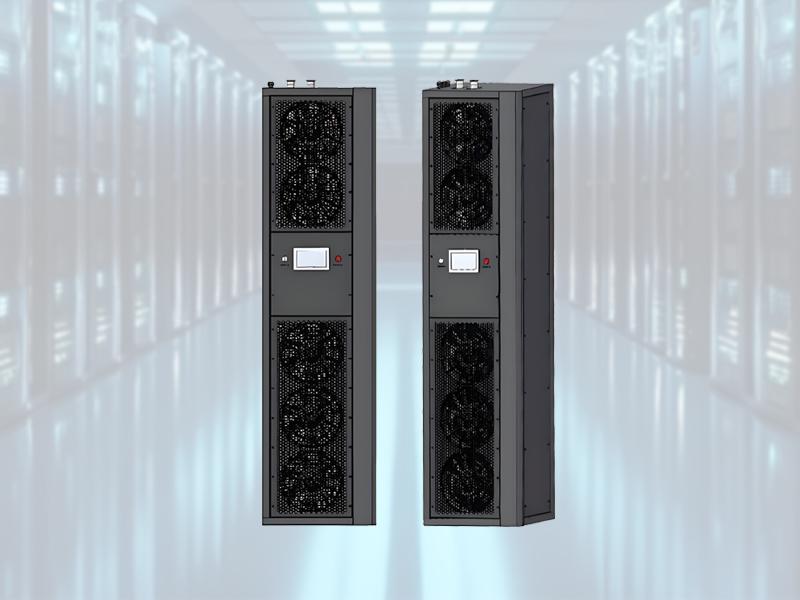
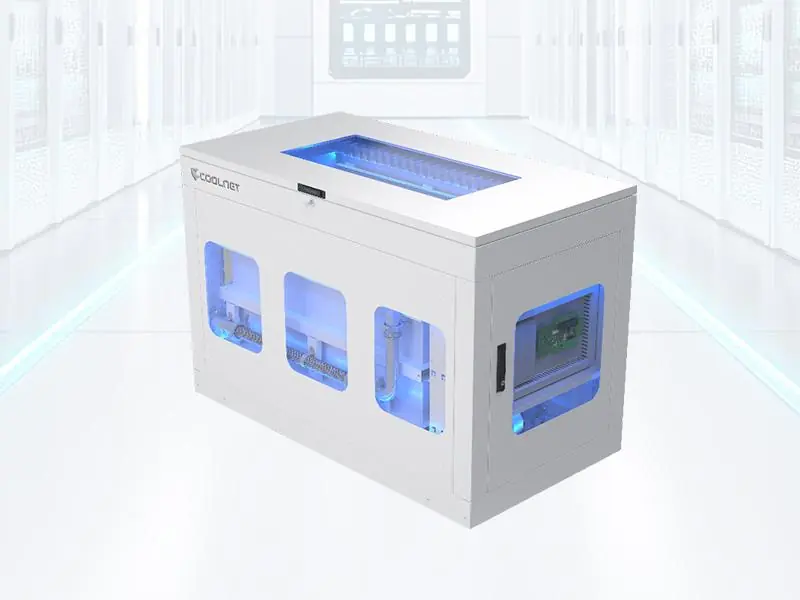
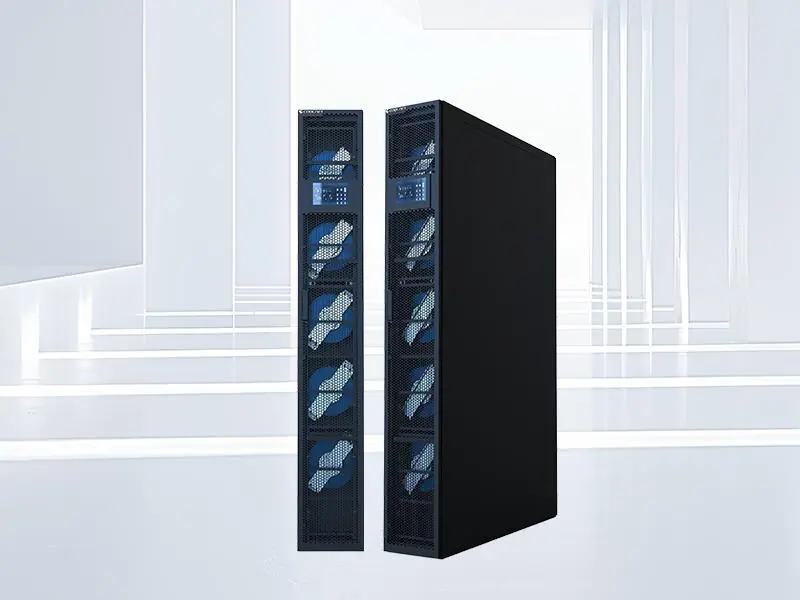
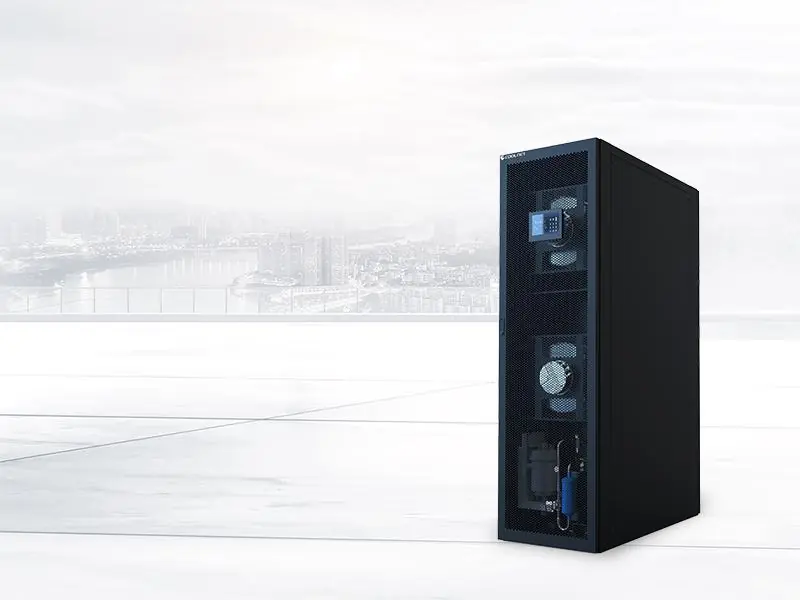
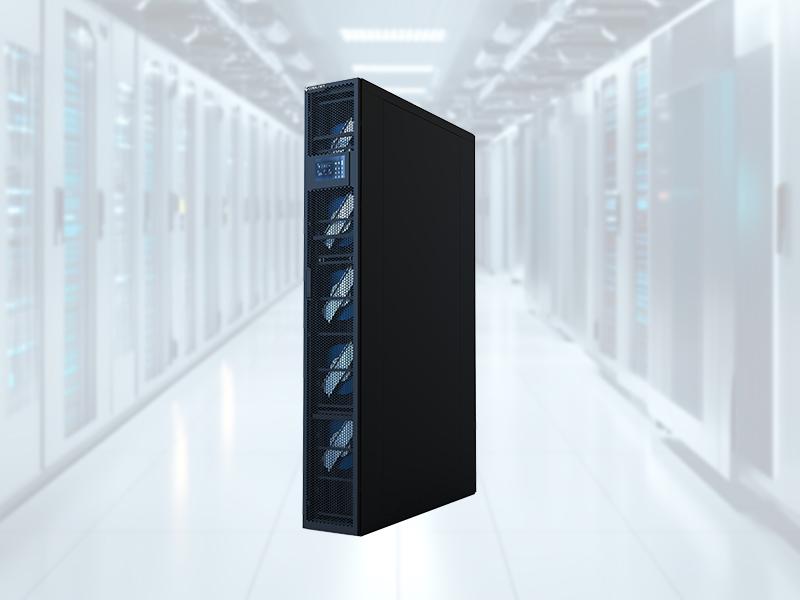
High-density racks in modern data centers create significant thermal challenges that require precise cooling strategies. In these environments, traditional overhead or raised-floor air distribution often struggles to keep pace with concentrated heat loads. At Coolnet, we recognize the importance of in-row cooling system solutions that are closely integrated with server racks, enabling consistent temperature control and energy efficiency while supporting high-density deployments. By considering both airflow management and energy consumption, we can deliver a solution that balances operational efficiency with reliability.
Limitations of Traditional Raised-Floor Cooling
Traditional raised-floor approaches rely on CRAC or CRAH units that supply cold air through perforated floor tiles into cold aisles. This method often results in cold and hot air mixing before reaching IT equipment, creating uneven temperatures and potential hotspots. In practice, clients frequently over-design their air conditioning systems to compensate for these inefficiencies. Such approaches can increase operational costs and reduce predictability in maintaining consistent environmental conditions. Our experience shows that this mixing also makes it harder to monitor rack-level temperatures accurately, sometimes leading to overcooling and unnecessary energy use. By contrast, direct in-row precision cooling addresses these limitations by situating cooling units adjacent to server racks, ensuring cooling happens closer to the source of heat.
Advantages of InRow Cooling
InRow cooling offers multiple benefits for high-density data center layouts. By situating cooling units in close proximity to heat sources, the system processes hot air before it has a chance to mix with cold airflow. This design improves energy efficiency and provides more precise temperature control at the rack level. Hot aisle containment systems further optimize airflow, ensuring that each in-row cooling system unit manages thermal load efficiently. Our solutions also integrate with monitoring platforms, enabling operators to track performance in real time. Deploying in-row solutions can reduce the need for oversized conventional air conditioning equipment while maintaining stable server operation and improving overall predictability.
Predictability and Operational Efficiency
Compared with raised-floor alternatives, in-row precision cooling provides more predictable and consistent environmental conditions. Energy consumption is lowered as airflow is directed more precisely, reducing the risk of overcooling or hotspots. Maintenance is simplified, allowing operators to identify anomalies quickly and make timely adjustments. Our in-row cooling system solutions are designed to integrate seamlessly with precision room cooling products from Coolnet, enabling consistent performance at the rack level. By combining reliable hardware with effective monitoring, we support long-term operational stability and reduce risks associated with temperature fluctuations in high-density data centers.
Conclusion: Improving Data Center Performance
InRow chilled water cooling plays a critical role in modern high-density data centers. By situating cooling units alongside IT equipment, we enhance temperature predictability, reduce hotspots, and optimize energy usage. Our in-row precision cooling systems from Coolnet combine precise engineering, close integration with server racks, and operational flexibility to support sustainable, efficient, and resilient data center environments. Implementing these solutions allows operators to achieve both predictable cooling performance and improved energy efficiency, demonstrating the value of modern in-row strategies for long-term data center operations.