The evolution of modern data centers toward high-density computing has created an unprecedented need for precise temperature control. Every increase in server processing power translates directly into increased heat output, making cooling the most critical challenge—and often the largest consumer of energy (OPEX). At Coolnet, we specialize in engineering advanced thermal management solutions, including our PAC precision air conditioning units and CRAC units, that deliver reliability and energy efficiency.
As an OEM with completely independent R&D and production, we ensure our cooling systems are engineered for continuous, mission-critical performance. We underscore our quality commitment with a 1–2 year product quality guarantee for our B2B partners.
The Increasing Demand for Precise Temperature Control in Data Centers
High-density rack environments—common in modern data centers supporting AI, cloud services, and real-time processing—demand that cooling systems maintain temperatures within a very narrow operational range. Failure to do so leads to immediate risks:
Equipment Throttling: Servers automatically reduce performance to prevent overheating, leading to service degradation.
Component Degradation: Sustained high temperatures significantly shorten the lifespan of expensive IT hardware.
Thermal Runaway: Localized hotspots can quickly lead to cascading failures and total system downtime.
Meeting this demand requires a step beyond comfort cooling, necessitating the specialized capabilities of PAC precision air conditioning systems.
Core Value and Functions of PAC Precision Air Conditioning
Precision Air Conditioning (PAC) is the umbrella term for specialized cooling units engineered specifically for IT environments. The core value of PAC units lies in their ability to manage sensible heat (the dry heat generated by equipment) efficiently, unlike standard air conditioners which focus on latent heat (removing moisture).
Key Functions of PAC:
High Sensible Heat Ratio: PAC units are designed with a high sensible heat ratio (SHR), meaning they spend most of their energy removing heat rather than dehumidifying the air, thus maximizing cooling efficiency.
Tight Tolerance Control: PAC systems maintain temperature and humidity within an incredibly tight tolerance, often plus or minus 1 degree Celsius and plus or minus 5 percent relative humidity.
Continuous Operation: They are built with industrial-grade components designed to run non-stop (24/7/365) year after year, unlike commercial units.
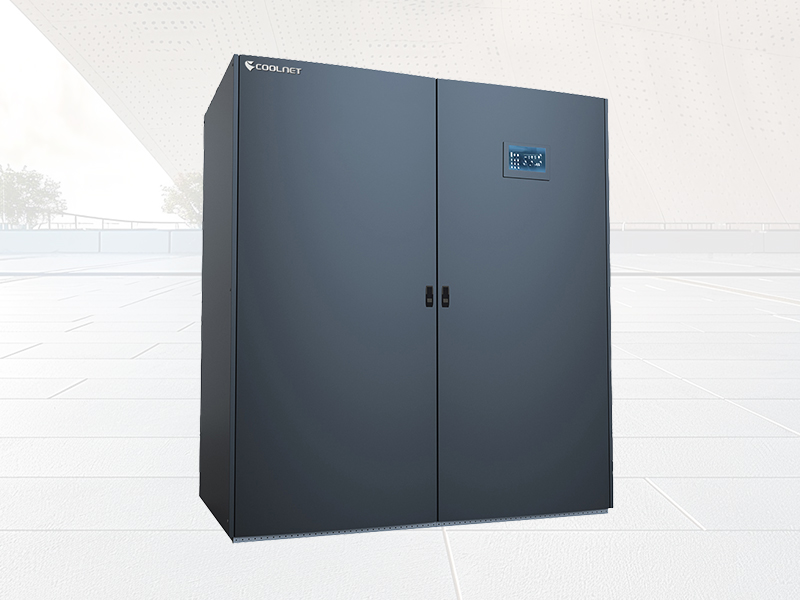
Our Coolnet product line, featuring advanced units such as the CyberMaster series PAC (23.5-102kW) DX unit, exemplifies this core value by integrating these functions into robust, high-efficiency systems.
Advantages of CRAC Units in Critical IT Environments
The term CRAC unit (Computer Room Air Conditioner) is often used interchangeably with PAC, and it represents a specific class of precision cooling equipment. The advantages of deploying dedicated CRAC units in a critical environment are numerous:
Energy Efficiency: CRAC units, particularly those supporting features like Free Cooling technology, dramatically reduce energy consumption by utilizing cooler outside air, directly lowering the data center’s Power Usage Effectiveness (PUE). The CyberMaster series PAC DX unit is engineered for high energy performance across its capacity range of 23.5kW to 102kW.
Airflow Management: They are designed to manage large volumes of airflow required by dense racks, often directing conditioned air into raised floor plenums or directly to hot spots (In-Row configurations).
Modularity and Redundancy: CRAC unit deployments are typically modular and scalable, allowing for N+1 redundancy configurations. This ensures that even if one unit goes offline, the remaining capacity can sustain the IT load, safeguarding uptime.
PAC and CRAC Synergistically Enhance Temperature and Humidity Control and Equipment Stability
In the context of Coolnet’s integrated solutions, PAC precision air conditioning and CRAC units work synergistically. The precision and power of the cooling hardware are magnified by integrated control and monitoring systems:
Uniform Environmental Control: By employing multiple, properly sized CRAC units (or PAC units) throughout a data hall, the system ensures temperature and humidity stability is maintained uniformly, preventing dangerous localized hotspots.
Intelligent Load Matching: The units are integrated into a central DCIM system. When monitoring tools detect an increase in IT load (e.g., via smart PDUs), the CRAC units automatically ramp up cooling capacity to match the increased heat generation. This dynamic, demand-based response saves energy when the load is low and protects equipment when the load peaks.
Preventive Alarms: The PAC precision air conditioning system is programmed with narrow tolerance bands. Any deviation triggers immediate alarms and alerts, providing operations teams with crucial early warnings before the environment reaches damaging levels. This level of control is fundamental to equipment stability and longevity.
Conclusion: Ensuring Efficient Data Center Operation Through Advanced Cooling Technology
A reliable data center is an efficiently cooled data center. Through our independently developed and manufactured PAC precision air conditioning and CRAC unit technologies, Coolnet provides the advanced thermal management required by modern, high-density IT environments. Our solutions, including the powerful CyberMaster series PAC (23.5-102kW) DX unit, offer the precise temperature and humidity control, energy efficiency, and operational stability necessary to protect your critical assets and maintain an optimal PUE.
By partnering with us, you invest in cooling technology designed for the future of computing, ensuring long-term reliability for your most essential infrastructure.