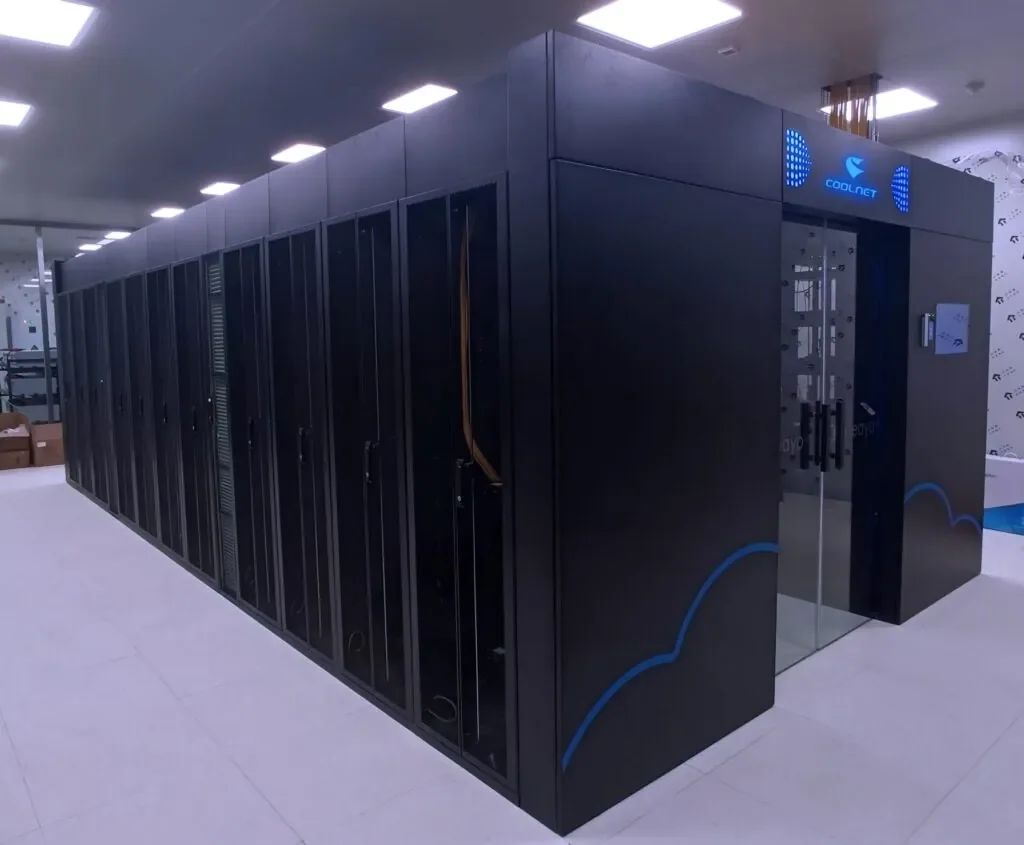
Server racks form the operational foundation of modern data centers, housing critical computing and networking equipment that supports continuous business operations. When rack-level planning is overlooked, issues such as power imbalance, tangled cabling, and restricted airflow can increase operational risk and complicate maintenance. From our experience as a data center solution company, efficient rack management is closely linked to uptime and safety. At Coolnet, we view server rack power management as a coordinated discipline that integrates power distribution, cabling organization, and physical layout to reduce avoidable operational exposure.
Power Management Strategies at the Rack Level
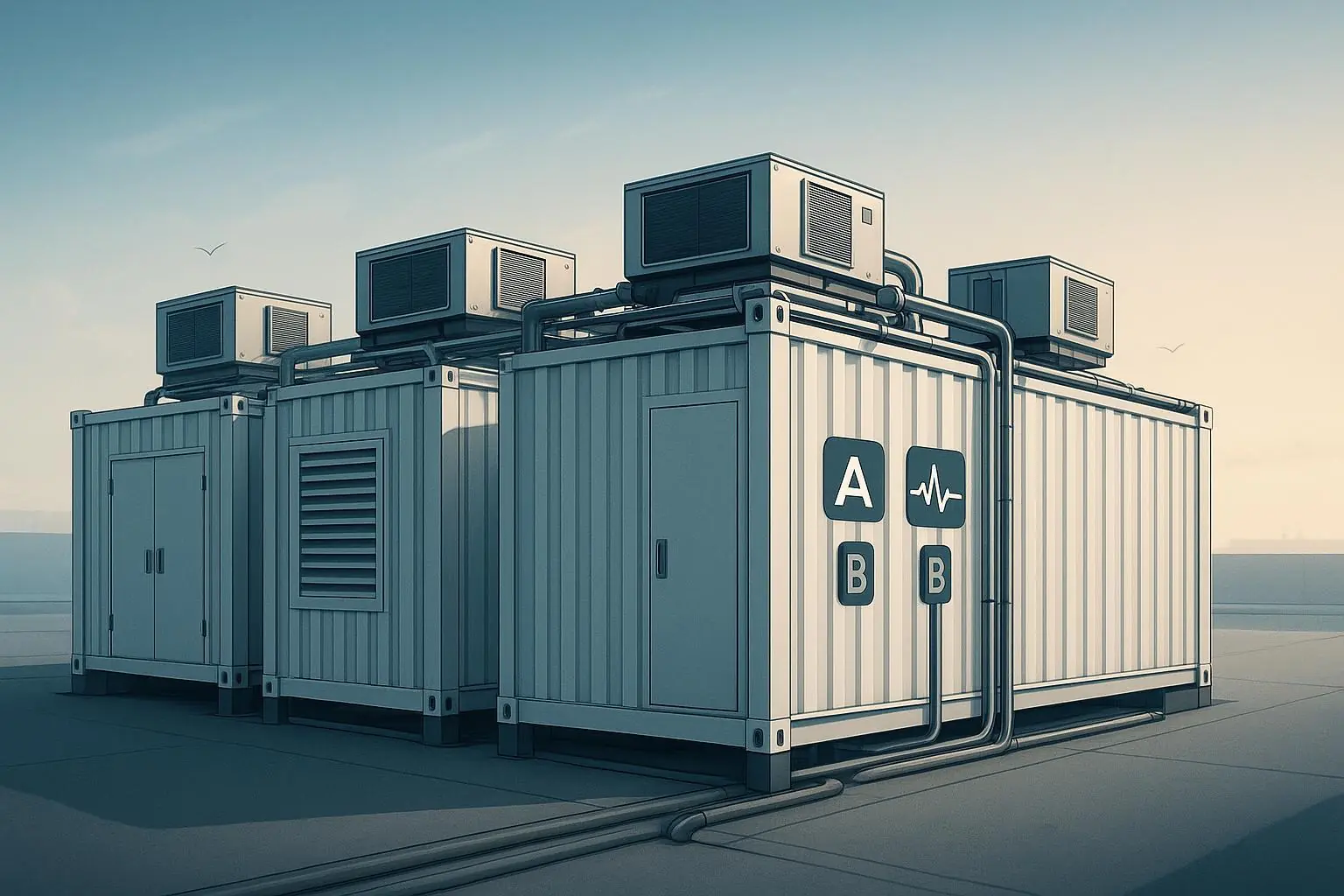
Effective power management begins with protecting critical loads from electrical disturbances. Uninterruptible power supply systems help prevent outages caused by sudden power loss, while rack-mounted PDUs enable controlled power distribution across devices. In practical deployments, dual A/B power paths are often used to introduce redundancy and support maintenance without service interruption. Continuous monitoring also plays a role in identifying abnormal consumption patterns before they develop into faults. As a data center solution company, we emphasize structured server rack power management to support equipment replacement and capacity expansion without disrupting existing operations.
Practical Approaches to Cable Organization
Cabling directly affects accessibility and reliability within server racks. Poorly managed cables can obstruct airflow, delay maintenance, and increase the likelihood of accidental disconnections. We recommend using reusable fasteners, clear labeling, and color coding to distinguish power lines from network connections. Separating fiber and copper cables further reduces the risk of signal interference. These practices support orderly layouts that simplify troubleshooting and improve visibility. Within our projects, server rack power management is closely aligned with cable organization, allowing technicians to perform upgrades efficiently while maintaining operational clarity expected from a data center solution company.
Airflow and Thermal Considerations
Rack efficiency is also influenced by physical arrangement and airflow control. Maintaining appropriate spacing between devices promotes consistent air circulation, while blanking panels in unused rack positions help direct airflow through active equipment. Weight distribution matters as well, with heavier components positioned lower to support stability. These measures reduce localized heat buildup and support predictable thermal behavior. By integrating airflow planning into rack design, a data center solution company can ensure that power and cooling strategies complement each other rather than operate in isolation.
Conclusion: Building Sustainable Rack Operations
Smart rack management combines disciplined power planning, organized cabling, and thoughtful physical layout. Together, these practices reduce operational complexity and support long-term reliability. Through structured server rack power management, we help data centers maintain consistent performance and adapt to evolving infrastructure needs. As part of our broader approach, Coolnet focuses on practical design principles that support scalable, well-managed rack environments aligned with real operational demands.