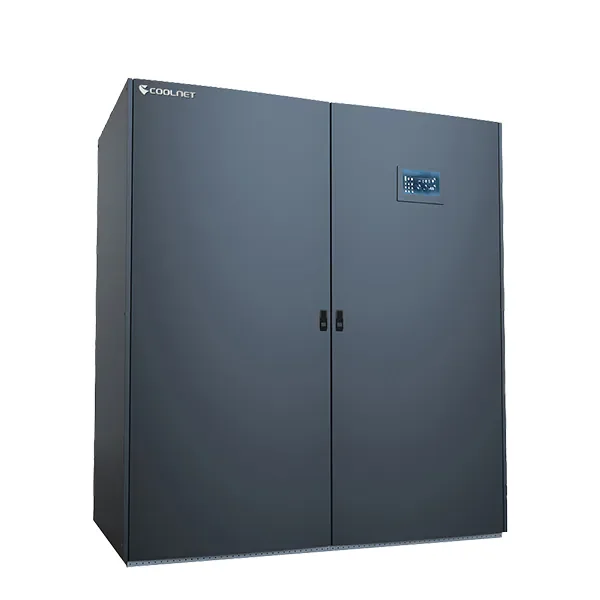
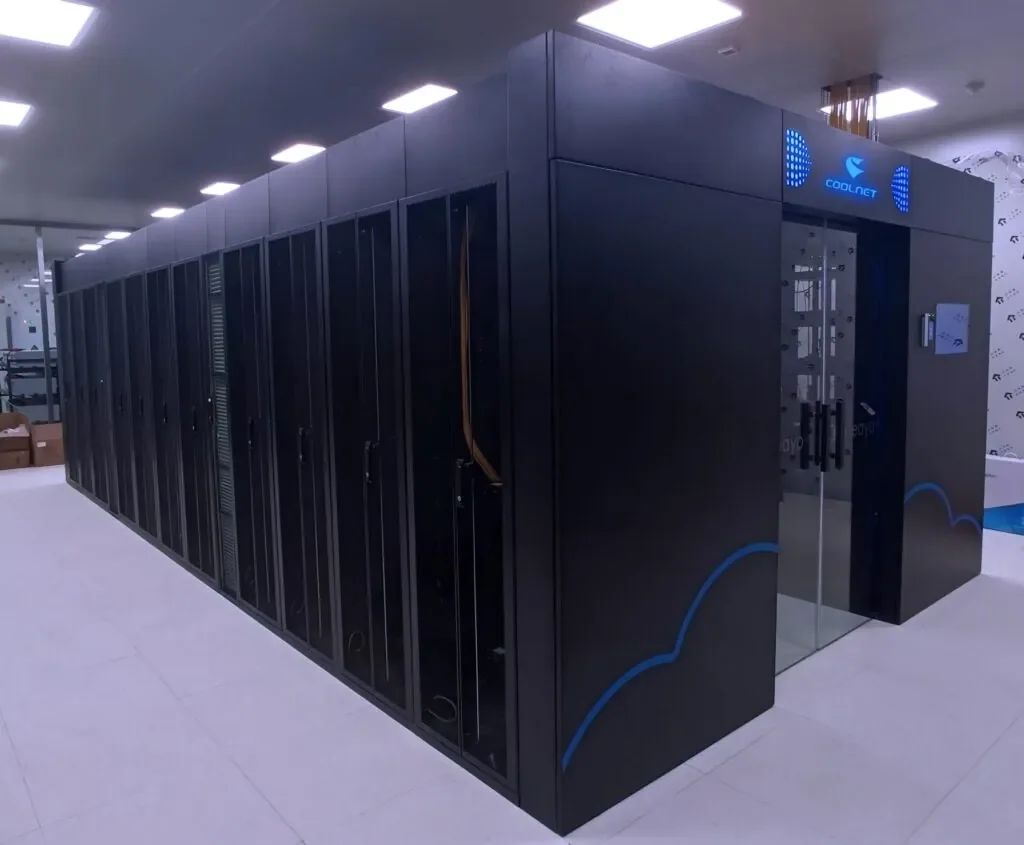
Server rack reliability plays a critical role in maintaining stable data center operations, including distributed environments that rely on edge data center solutions. As a data center solution company, we understand that a well-designed server rack monitoring system is essential for identifying risks before they affect service continuity. Without proper monitoring, issues such as overheating, abnormal power consumption, or unnoticed equipment faults may gradually develop and result in unplanned downtime. From our perspective, effective monitoring combined with structured server rack power management provides the operational visibility needed to support long-term reliability across diverse data center environments.
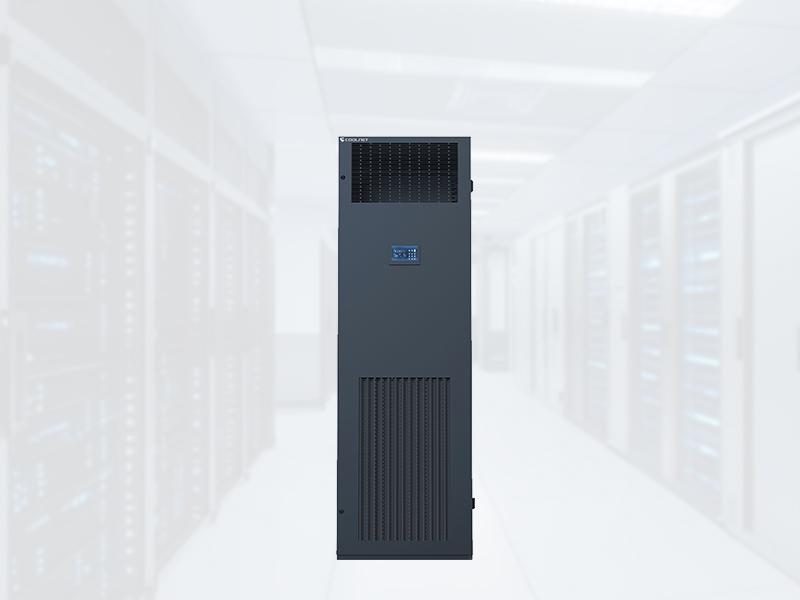
Environmental Monitoring for Stable Rack Operation
Temperature and humidity are two of the most influential factors affecting server performance and lifespan, especially in compact or remote deployments typical of edge data center solutions. By installing sensors within server racks, we monitor internal environmental conditions in real time through a centralized server rack monitoring system and set alarm thresholds that trigger alerts when limits are approached. This allows operators to respond early and avoid damage caused by excessive heat or moisture. As a data center solution company, we also consider rack layout and airflow paths when designing monitoring strategies. Proper alignment of cold and hot air circulation improves cooling efficiency and ensures that server rack power management systems operate under stable thermal conditions rather than compensating for poor airflow design.
Power, Network, and Equipment Status Monitoring
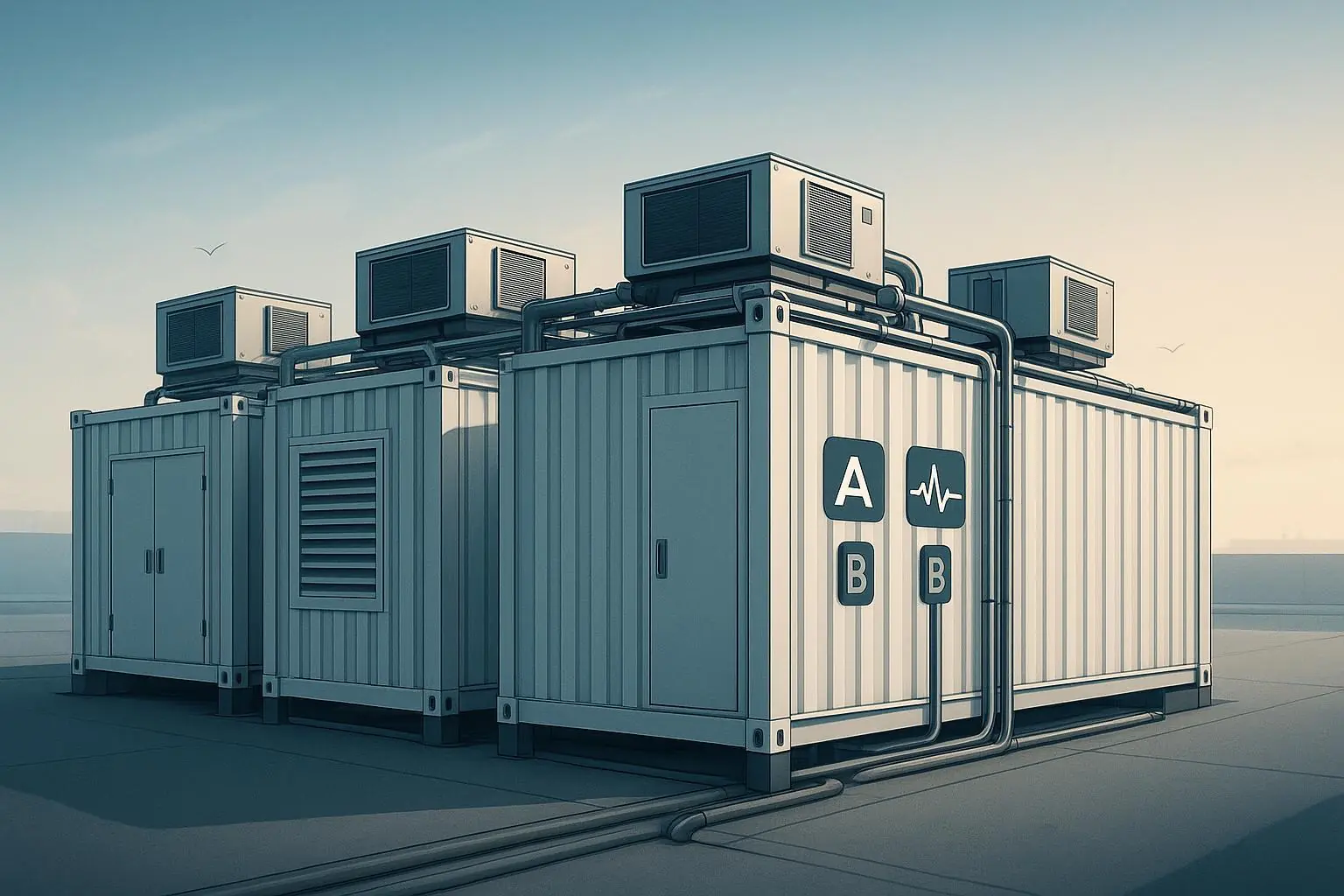
Power stability is another key element of rack reliability. Continuous monitoring of power usage at the rack and device level through a server rack monitoring system helps identify unusual consumption patterns that may indicate developing faults. This approach supports proactive maintenance rather than reactive troubleshooting. Monitoring systems can also provide visibility into dual power feeds and UPS status, reinforcing redundancy planning for both centralized facilities and edge data center solutions. In addition, network and device monitoring tracks the operational condition of servers, switches, and modular components. Events such as power interruptions or device errors are automatically logged, enabling faster root cause analysis. Together, these capabilities strengthen server rack power management while supporting the broader objectives of a data center solution company focused on operational continuity.
Conclusion: Monitoring as a Foundation for Reliability
Advanced rack monitoring systems contribute directly to reliable data center operations by combining environmental sensing, power visibility, and equipment status tracking into a unified server rack monitoring system framework. Long-term data collection enables trend analysis, helping operators refine rack layouts, adjust cooling strategies, and plan capacity expansions with greater confidence, particularly when scaling edge data center solutions. Regular review of alarm thresholds and monitoring configurations ensures continued alignment with operational needs. At Coolnet, we design our solutions around these principles, supporting structured monitoring practices that enhance transparency, reduce operational risk, and reinforce dependable server rack power management across evolving data center infrastructures.