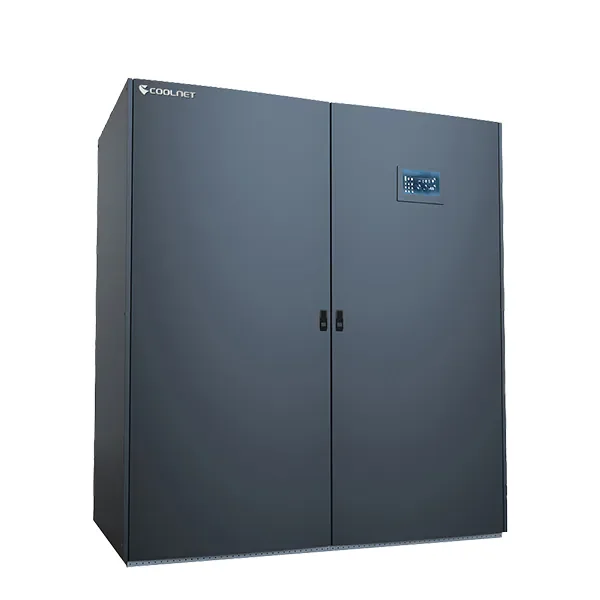
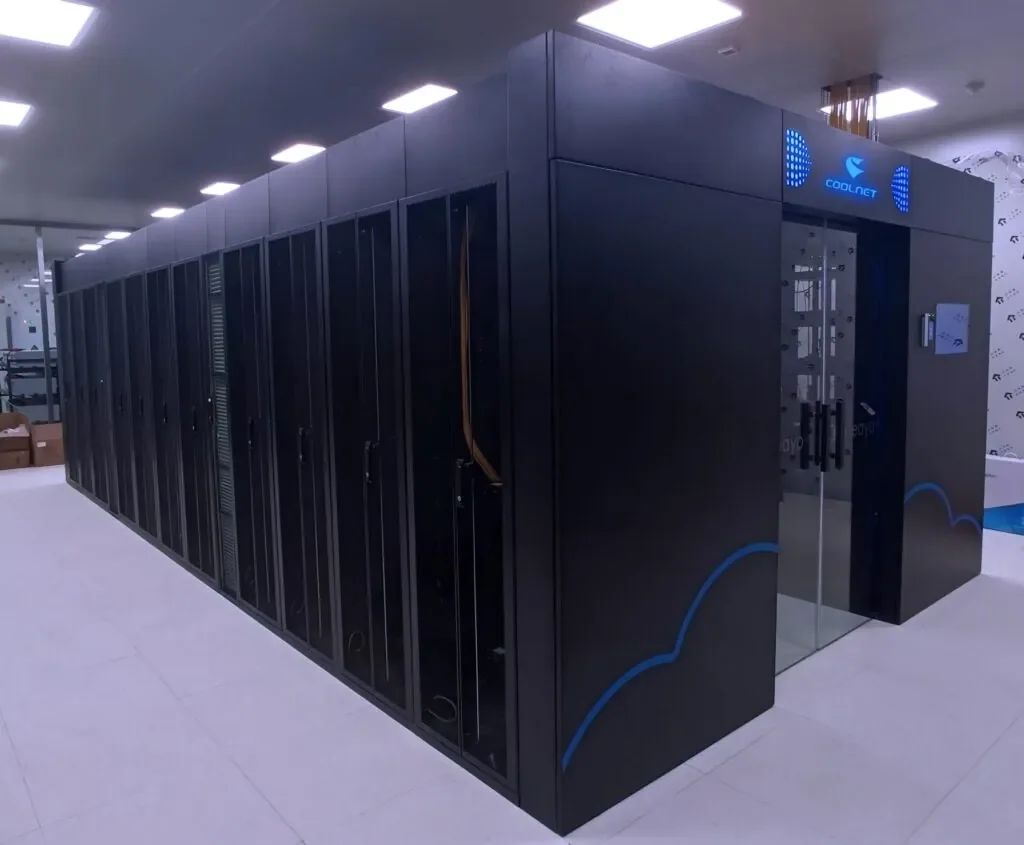
As modern data centers handle increasing computational loads, efficient thermal management has become essential. Servers generate considerable heat that must be removed consistently to maintain reliability and performance. We have observed that understanding the key elements of a data center liquid cooling system is critical for optimizing overall operations and extending hardware life. At Coolnet, we develop our solutions to balance thermal efficiency, hardware protection, and operational reliability. By examining each component carefully, we ensure that all elements work together seamlessly to support continuous data center performance and prevent unplanned downtime.
Core Components of the System
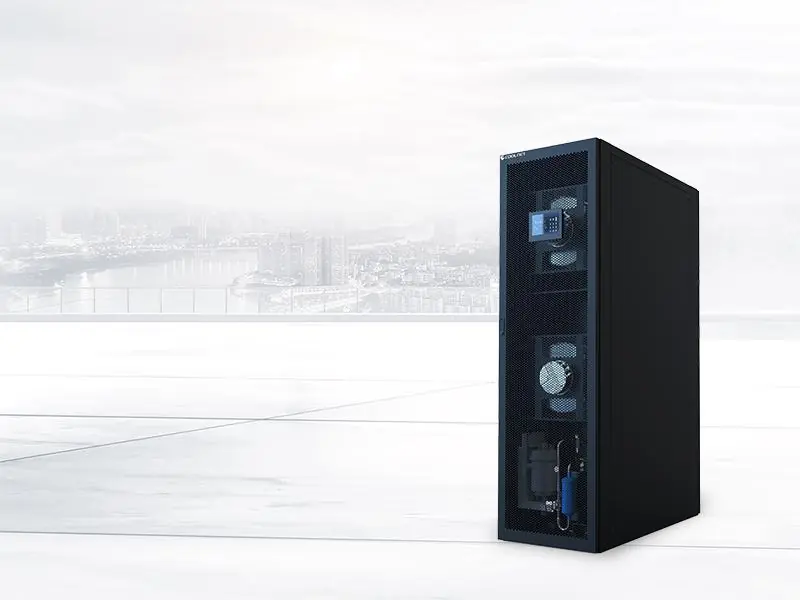
A Cold-Plate Liquid Cooling setup relies on several critical components to maintain effective heat removal. The coolant distribution unit (CDU) regulates flow, temperature, and pressure, ensuring that the system operates within safe limits and avoids thermal stress on equipment. Pumps and heat exchangers transfer heat to secondary media and sustain consistent circulation throughout the facility. Liquid-cooled racks are designed for direct contact with servers, minimizing leakage and interference while providing reliable thermal transfer. The selection of cooling fluid—commonly water, ethylene glycol, or synthetic oil—is determined by thermal conductivity, chemical stability, and electrical insulation requirements. Understanding the role of each component allows us to design more reliable systems that can handle high-density racks and maintain stable air temperatures in computer rooms.
Evaluating System Efficiency
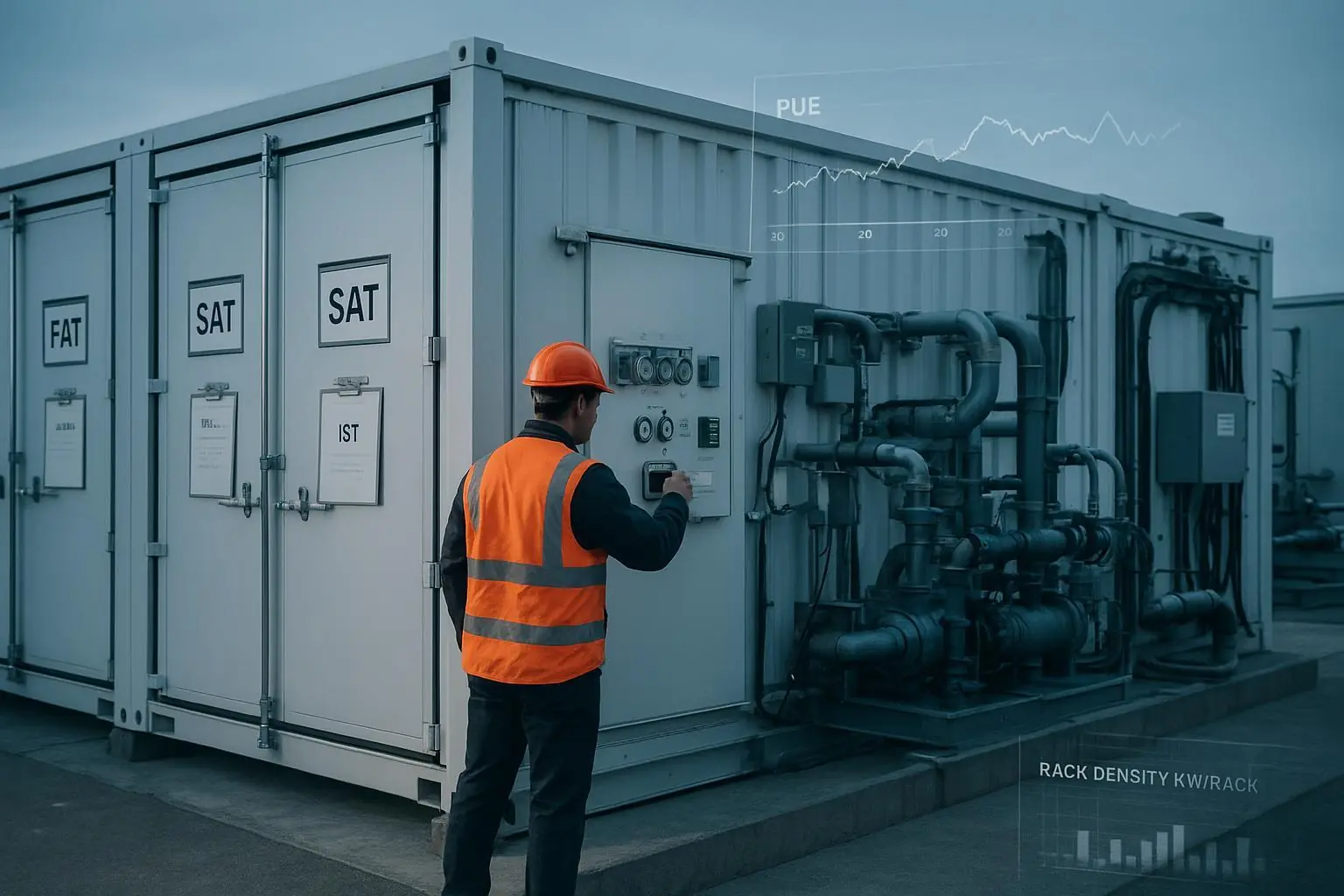
Assessing the effectiveness of a data center liquid cooling system involves monitoring both heat removal capacity and energy usage efficiency. Key performance metrics such as PUE (Power Usage Effectiveness), CoP (Coefficient of Performance), and ERE (Energy Reuse Effectiveness) provide insights into operational efficiency. By carefully optimizing the layout of heat exchangers, the selection of pump sizes, and the circulation loop design, we can maximize thermal transfer while minimizing energy consumption. Each Cold-Plate Liquid Cooling unit contributes to this efficiency by ensuring that heat is removed where it is generated, reducing the load on supporting infrastructure and improving overall energy performance. These design considerations are essential for facilities aiming to maintain low operational costs while meeting high uptime requirements.
Conclusion: Optimizing Performance Through Component Understanding
Every component in a liquid cooling system plays a crucial role in sustaining reliable and efficient operation. From CDUs to pumps, liquid-cooled racks, and the choice of cooling fluids, careful integration and monitoring allow us to minimize energy use and extend the service life of IT equipment. At Coolnet, our data center liquid cooling solutions are designed with these principles in mind, providing customers with a scalable, high-performance infrastructure. By focusing on each component’s function and optimizing their coordination, we can support critical IT workloads, maintain predictable operational stability, and enhance long-term efficiency across the data center.