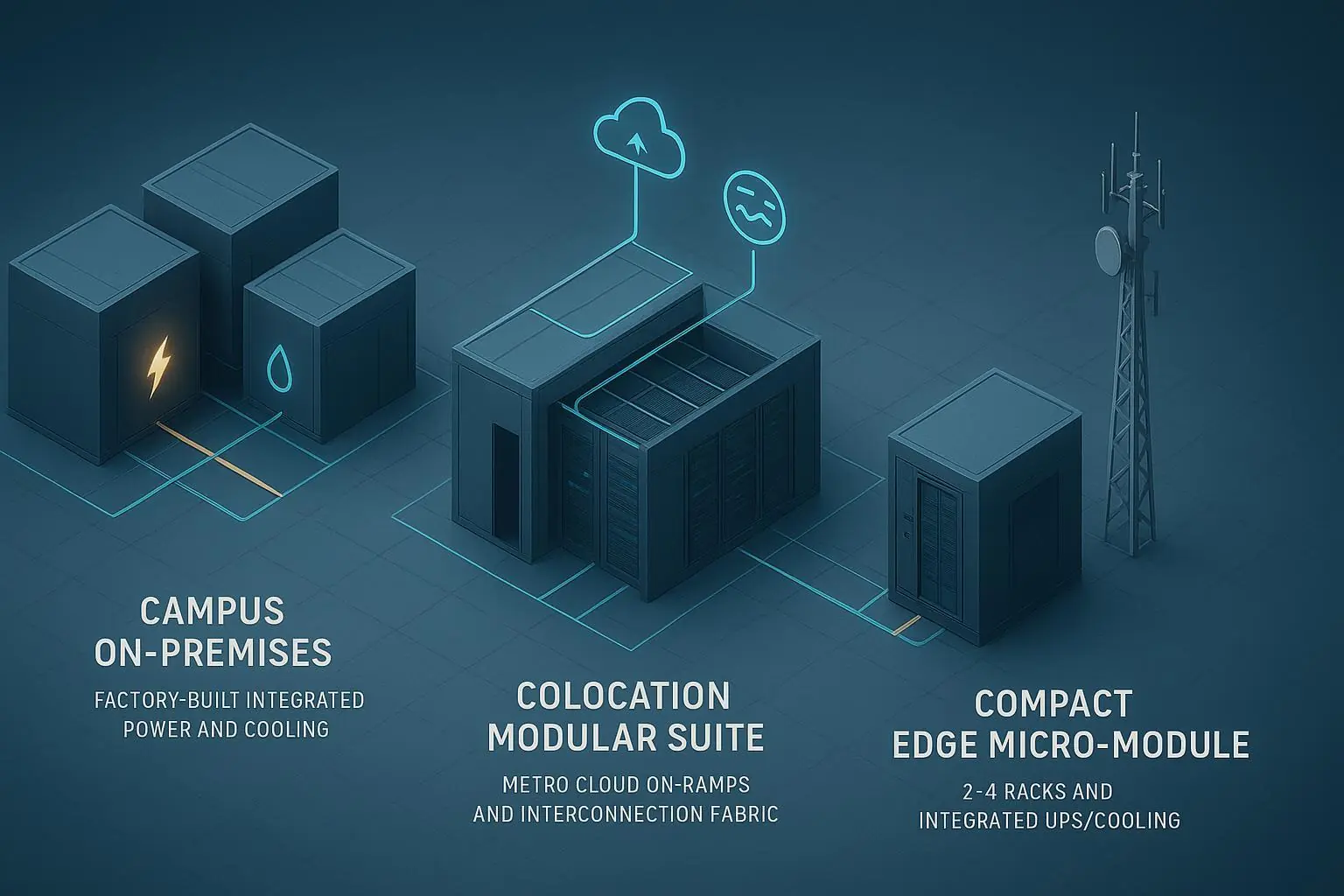
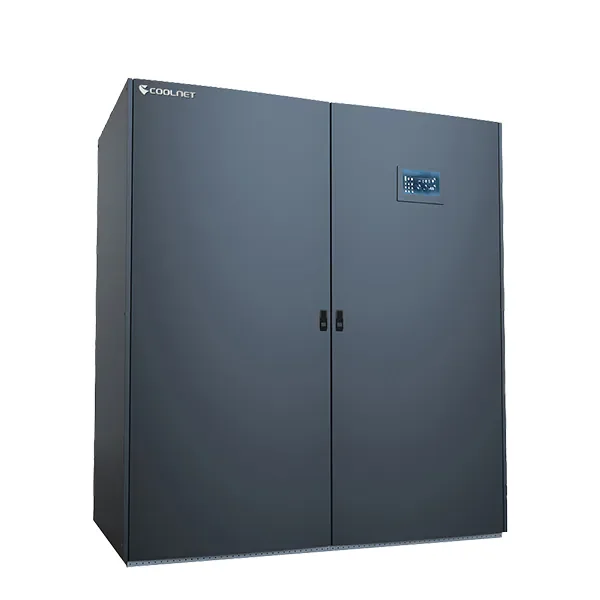
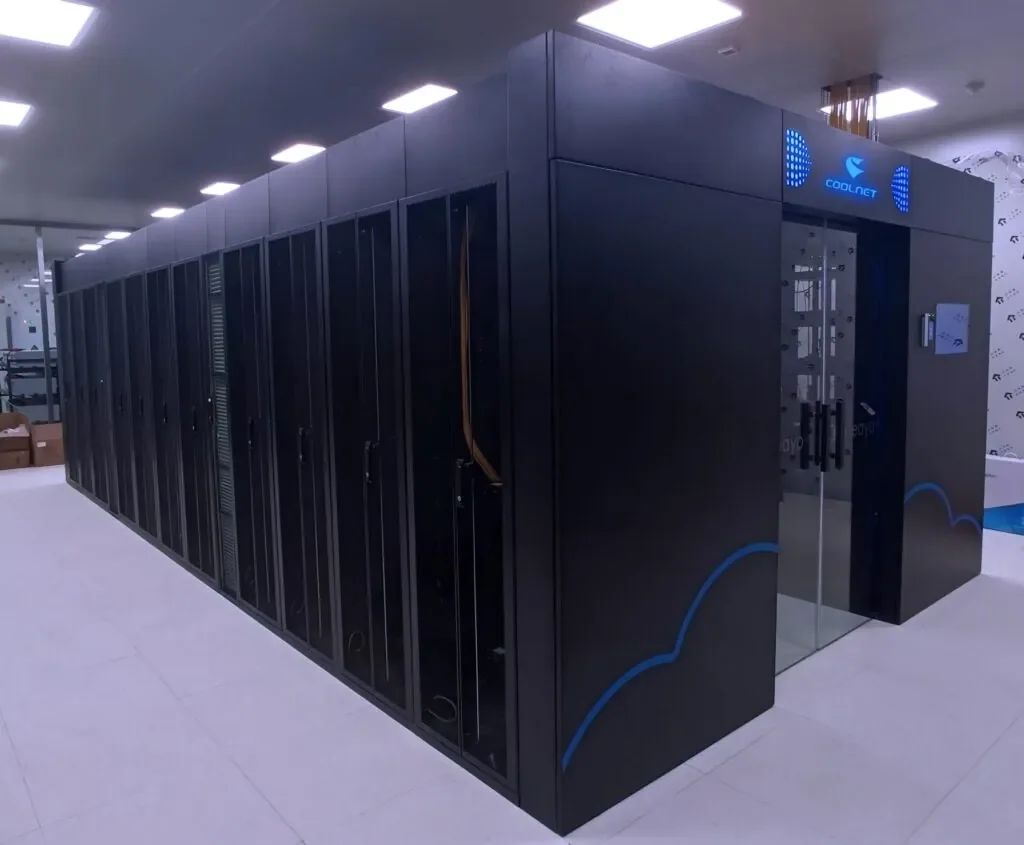
Data center planning is no longer limited to initial construction costs. When we evaluate long-term value, we focus equally on deployment efficiency, day-to-day operations, and the ability to evolve with changing technology demands. As a B2B-focused provider, we view lifecycle management as a practical discipline rather than a theoretical concept. This is why we emphasize modular thinking as an integrated solution for data center projects, allowing infrastructure to grow and adapt without disrupting core business continuity.
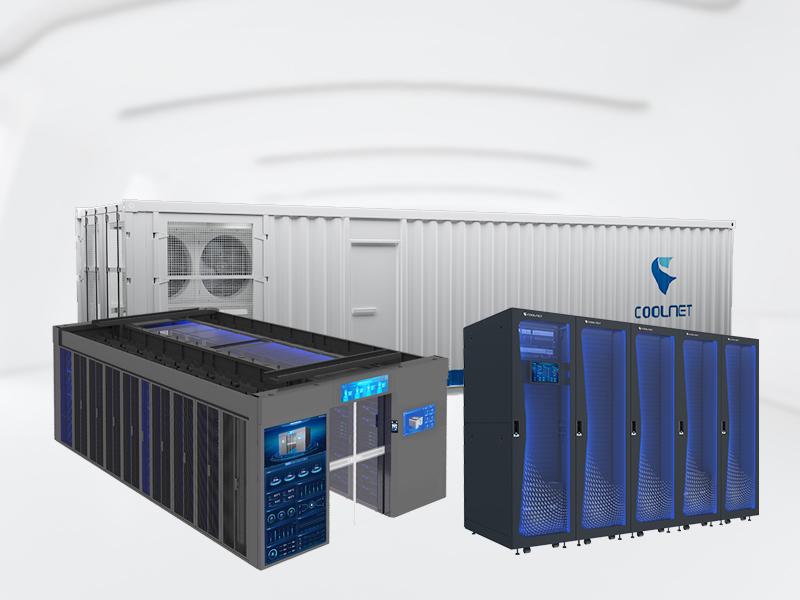
Implementation Advantages of Modular Design
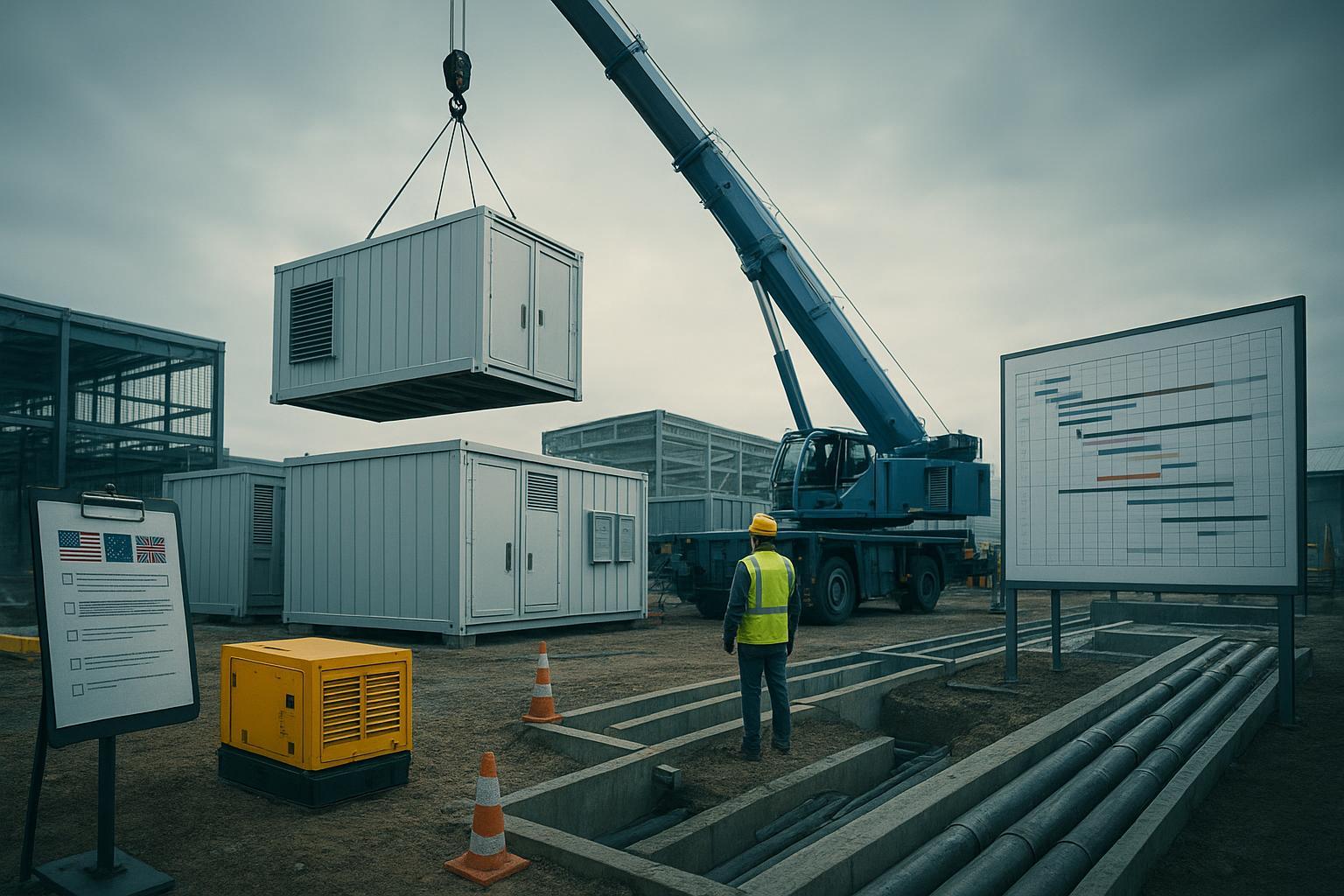
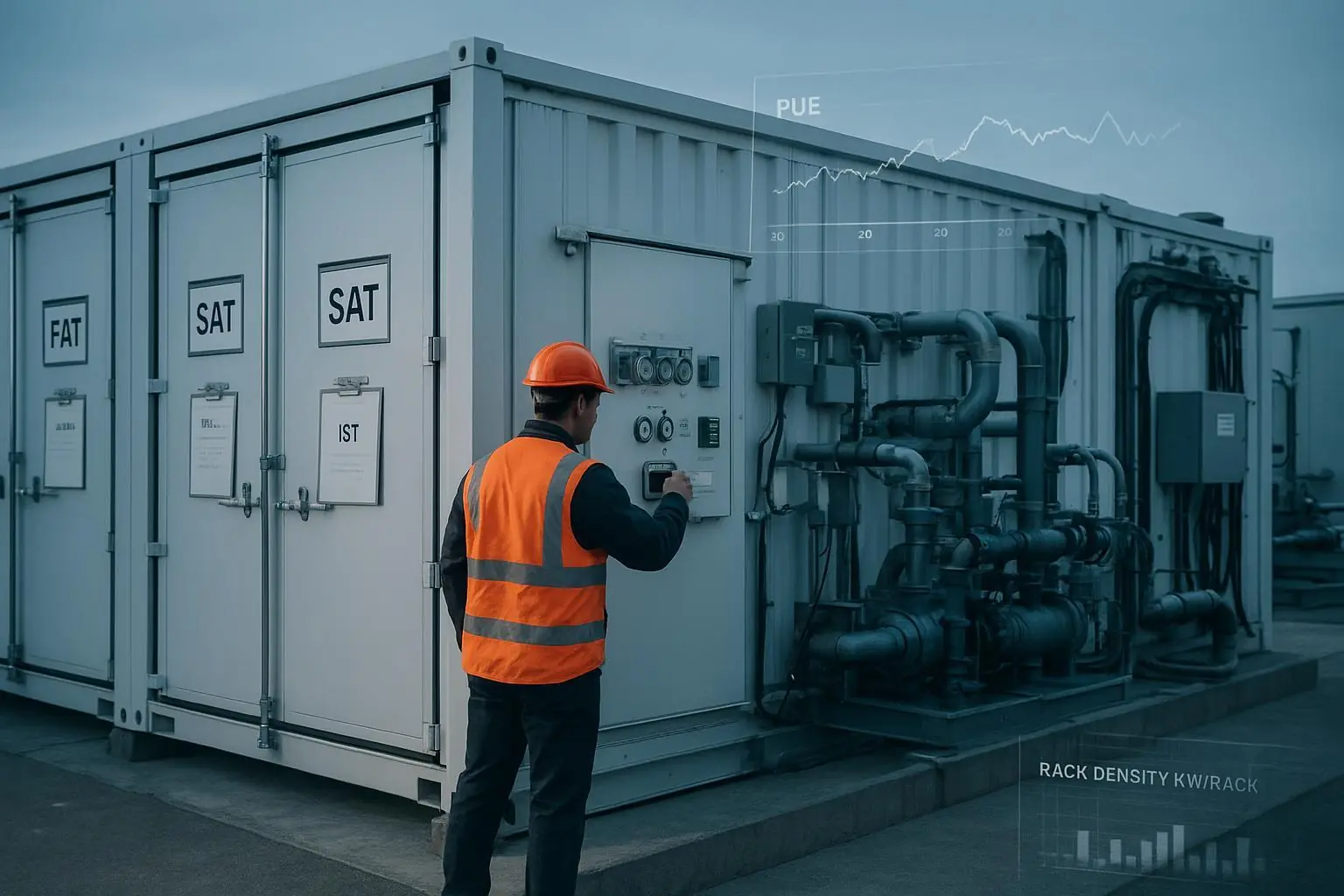
During the implementation stage, modular architecture offers clear structural and operational benefits. Prefabricated units are produced and tested before delivery, which helps reduce on-site construction complexity and shortens deployment timelines. Standardized processes also allow us to align system components more efficiently, especially in power distribution and thermal management. For our clients, this approach supports predictable scheduling and controlled capital planning. Within modular data center solutions, modularization enables phased investment, allowing capacity to be added based on actual demand rather than assumptions made years in advance.
Operational Flexibility and Upgrade Readiness
Once a data center is operational, flexibility becomes a decisive factor. Modular layouts simplify routine maintenance by allowing targeted access to specific subsystems without affecting the entire facility. Faulty components can be replaced more efficiently, and upgrades can be introduced incrementally. From our experience, this structure supports stable operations while accommodating new cooling methods, power configurations, or monitoring tools. A well-designed integrated solution for data center environments ensures that operational changes do not require fundamental redesigns, preserving both uptime and long-term asset value.
Decommissioning and Sustainability Considerations
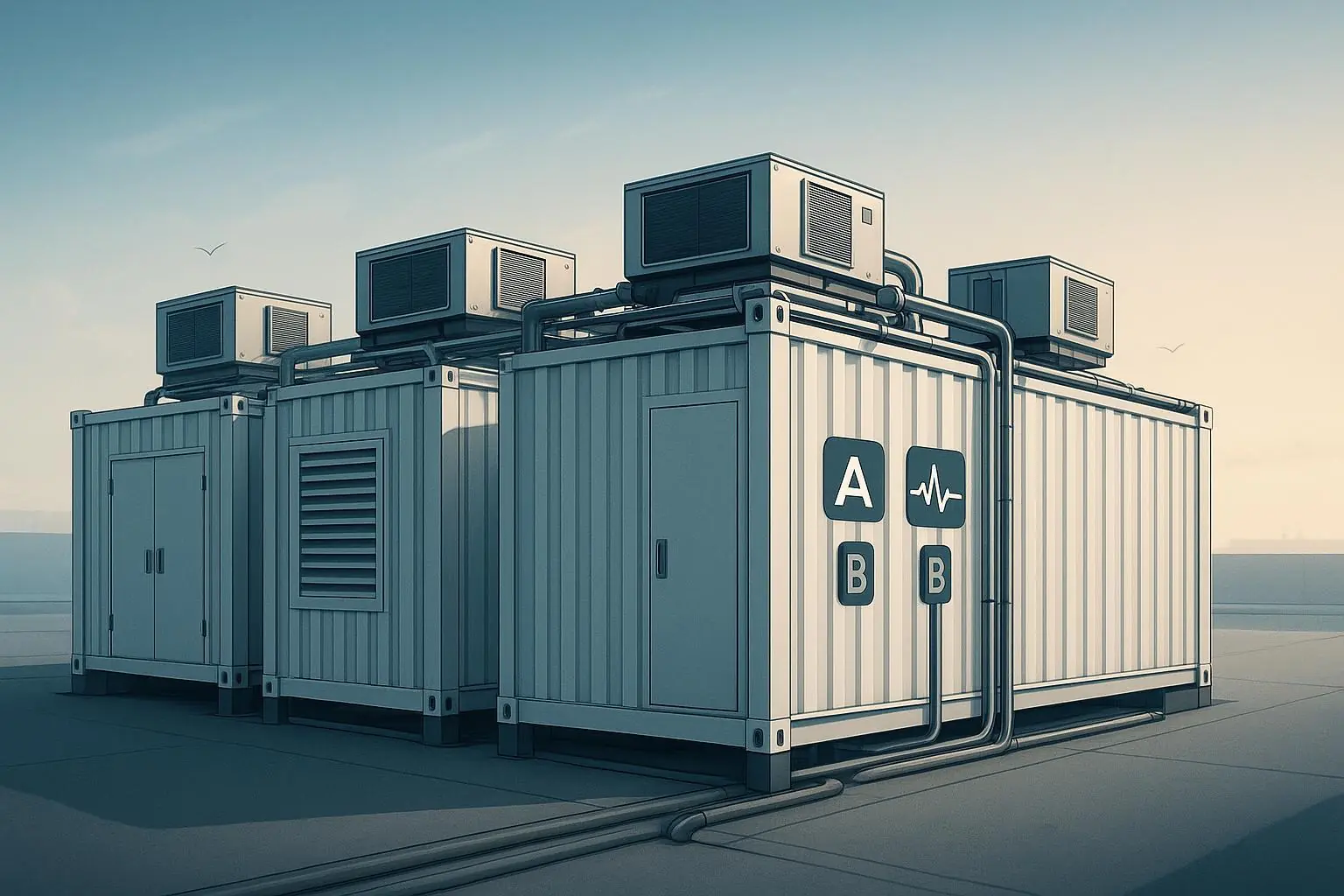
End-of-life planning is often overlooked, yet it plays a role in total lifecycle cost. Modular systems reduce dismantling complexity by separating infrastructure into manageable units. This supports responsible material handling, reuse of functional modules, and more efficient recycling processes. In modular data center solutions, sustainability is not limited to energy efficiency during use; it also extends to how systems are retired or repurposed. These considerations align with our broader approach to infrastructure responsibility and lifecycle awareness.
Conclusion: Lifecycle Value Through Modular Thinking
In conclusion, modular data center design delivers value across implementation, operations, upgrades, and decommissioning. By applying modular principles consistently, we help clients manage change while protecting long-term investment outcomes. At Coolnet, our systems and services are developed to support this lifecycle perspective, combining practical engineering with scalable architecture. Through an integrated solution for data center environments, modular thinking becomes a strategic tool rather than a short-term deployment choice.