Artificial intelligence is driving an unprecedented increase in data processing demand. From model training to real-time inference, AI workloads require higher computing density, stable power supply, and efficient thermal management. However, traditional data center construction often involves long planning cycles, complex on-site work, and extended commissioning periods, which makes it difficult to respond quickly to fast-changing business needs. In this context, Coolnet focuses on delivering a modular data center approach that helps enterprises address the growing gap between AI-driven demand and infrastructure deployment speed. By combining standardized hardware systems with practical engineering experience, we aim to provide a data and center solution that aligns with real operational requirements rather than theoretical capacity planning.
Shortened Construction Cycles Through Modular Design
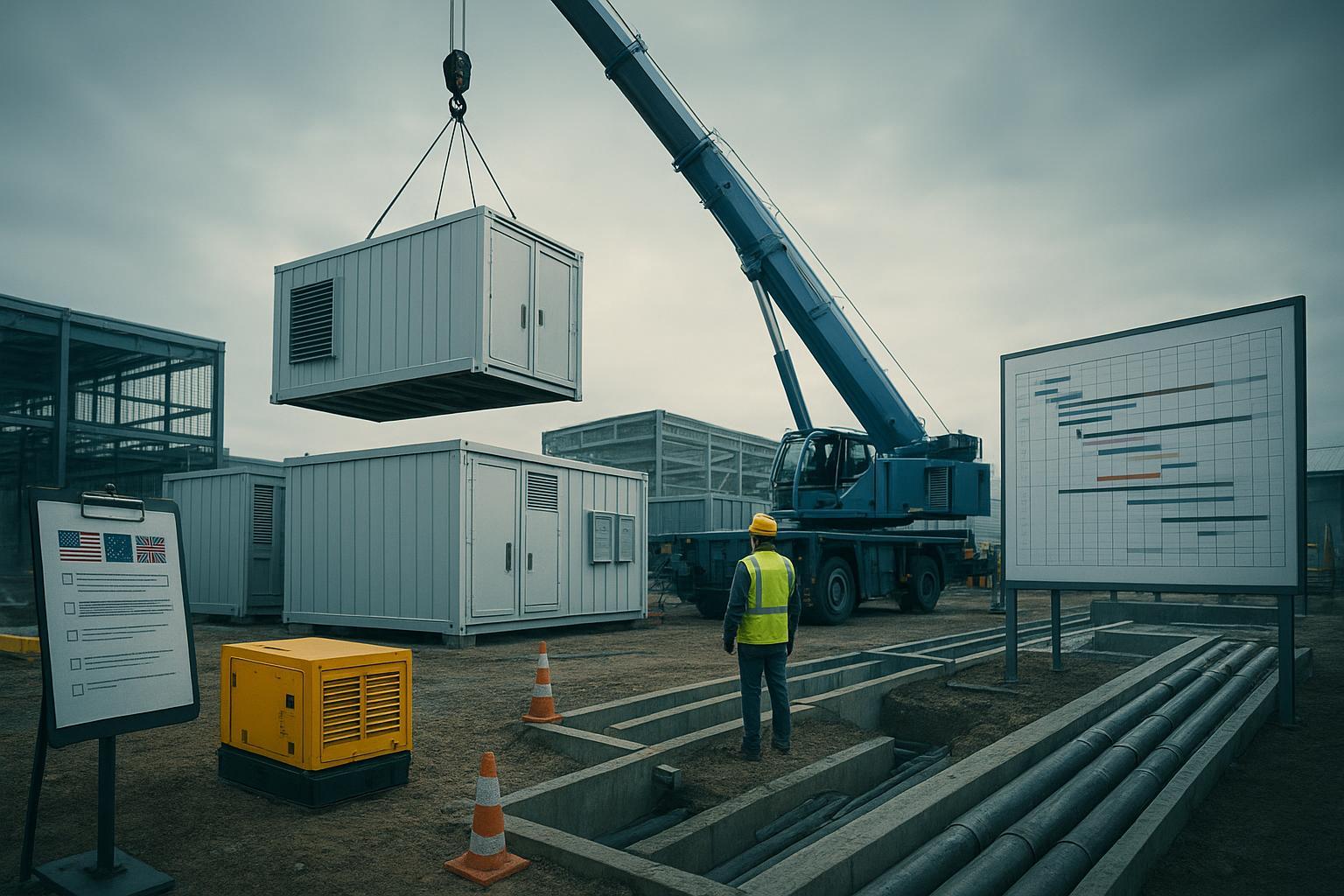
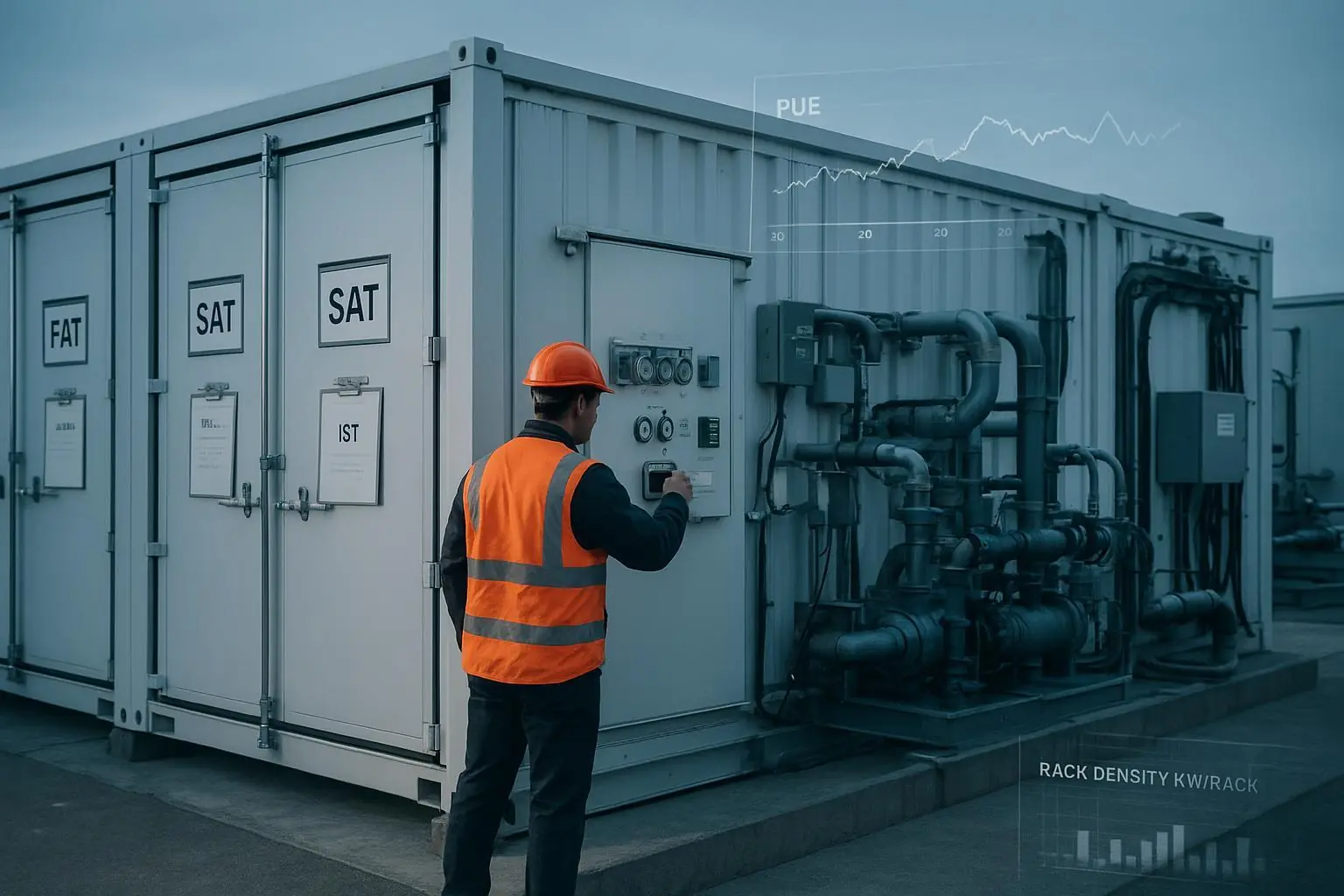
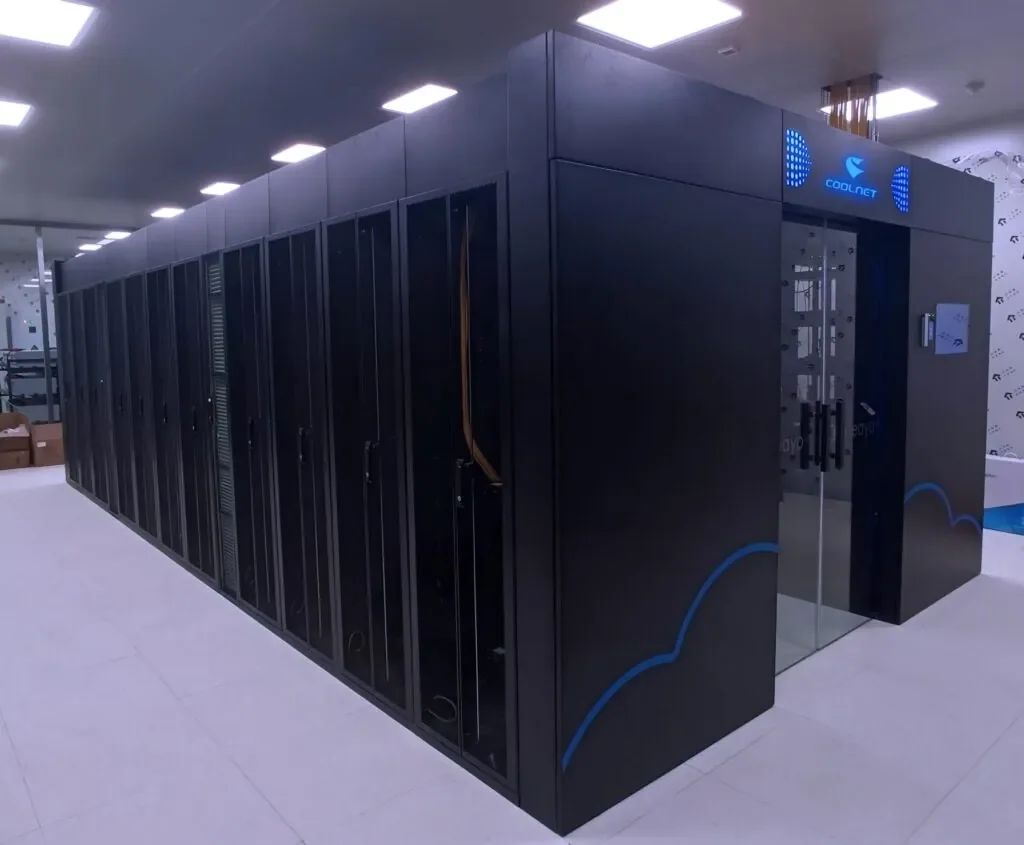
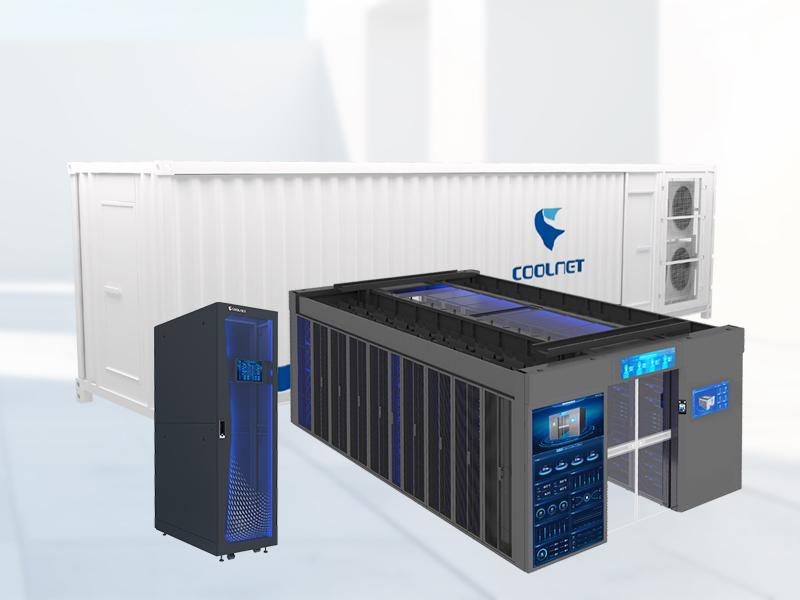
One of the most practical advantages of modular architecture lies in construction efficiency. Conventional data center projects can take up to five years from design to full operation, while modular projects can often be completed within 18 to 24 months. This improvement is achieved through prefabricated modules, factory-level assembly, and standardized testing before on-site delivery. In our projects, the modular data center model allows critical components such as power distribution, cooling systems, and monitoring units to be integrated in advance, reducing on-site uncertainty. As a result, the data and center solution becomes more predictable in terms of schedule, quality, and coordination, which is especially important for AI-related deployments where timing directly affects business outcomes.
Scalability and Flexibility for AI Workloads
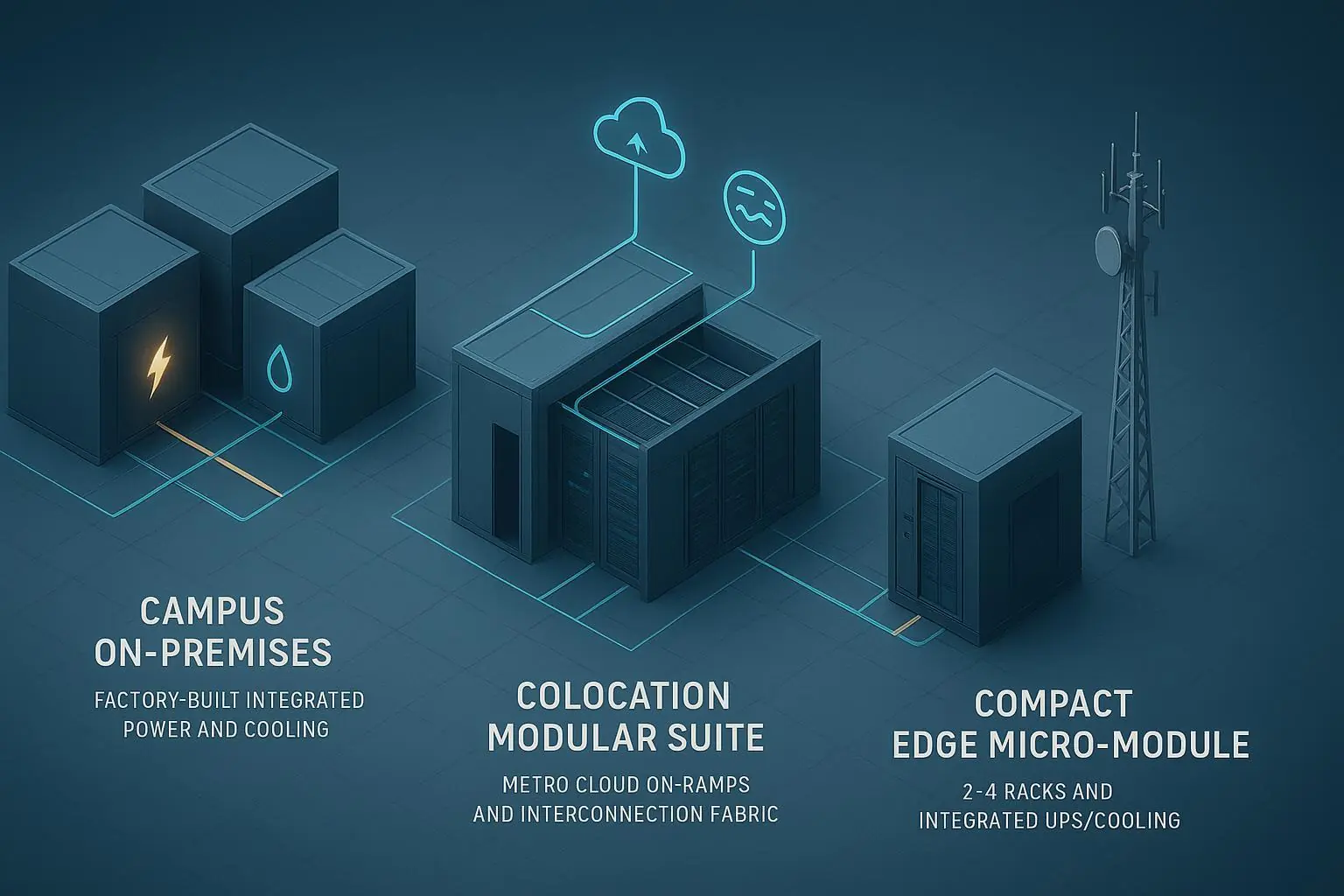
AI-driven growth is rarely linear. Computing demand may increase rapidly due to new applications, regulatory changes, or market expansion. Modular architecture supports phased deployment, enabling organizations to expand capacity step by step rather than committing to oversized infrastructure from the beginning. Our modular data center solutions are designed with repeatable units that can be replicated and integrated as demand evolves. This approach supports flexible scaling of power and cooling while maintaining system consistency. By applying the same data and center solution logic across different project phases, we help reduce operational complexity and ensure that expansion does not disrupt existing services or performance stability.
Conclusion: Modular Data Centers as a Long-Term Direction
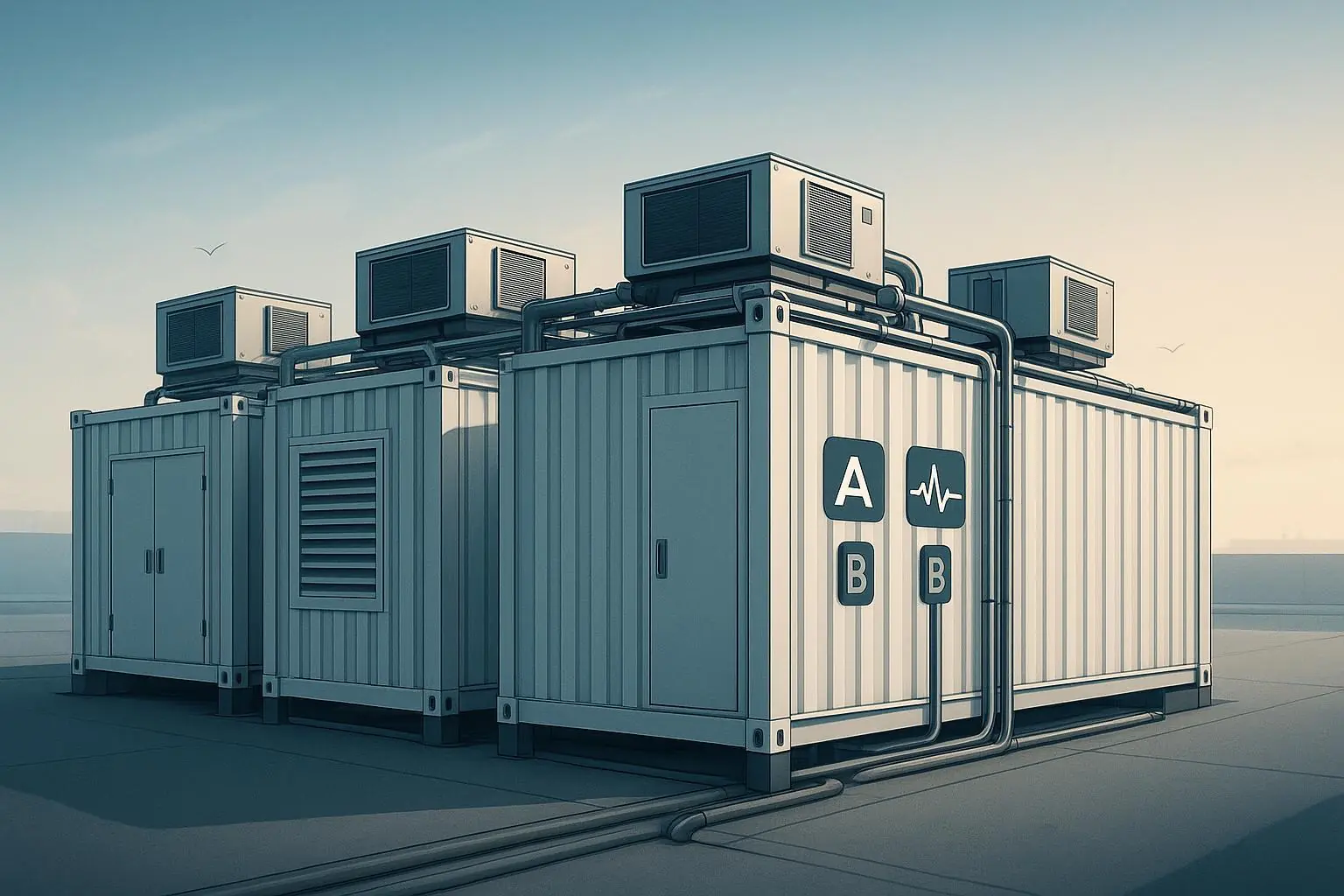
In the AI era, infrastructure must adapt as quickly as applications do. Modular data centers provide a practical response by shortening construction timelines, supporting flexible expansion, and maintaining system reliability. From planning to deployment, this approach allows organizations to align infrastructure growth with real computing demand. As we continue to develop modular data center projects, we see this model becoming an increasingly important foundation for sustainable AI-driven growth and a realistic data and center solution for enterprises planning their next generation of data infrastructure.