As artificial intelligence continues to expand into areas such as edge analytics, autonomous driving, and real-time industrial control, the demand for localized data processing is growing rapidly. These applications rely on low latency, stable power supply, and predictable thermal environments to function properly. We have observed that traditional centralized architectures are often unable to meet these emerging requirements. This shift has pushed the industry to rethink how infrastructure is deployed closer to data sources, especially in scenarios where responsiveness and reliability are essential.
Limitations of Traditional Centralized Data Centers
Conventional large-scale data centers are typically built far from end users and data generation points. While they offer economies of scale, long-distance data transmission introduces unavoidable latency and potential bandwidth bottlenecks. For AI-driven workloads that depend on near-instant decision-making, this delay directly affects system efficiency. From our experience, centralized facilities also face challenges in scaling quickly for localized demand, particularly when power distribution and environmental conditions vary across regions. These constraints make it difficult to deliver a consistent data center power solution for edge-focused applications, where flexibility and proximity are critical.
Modular and Edge Infrastructure Working Together
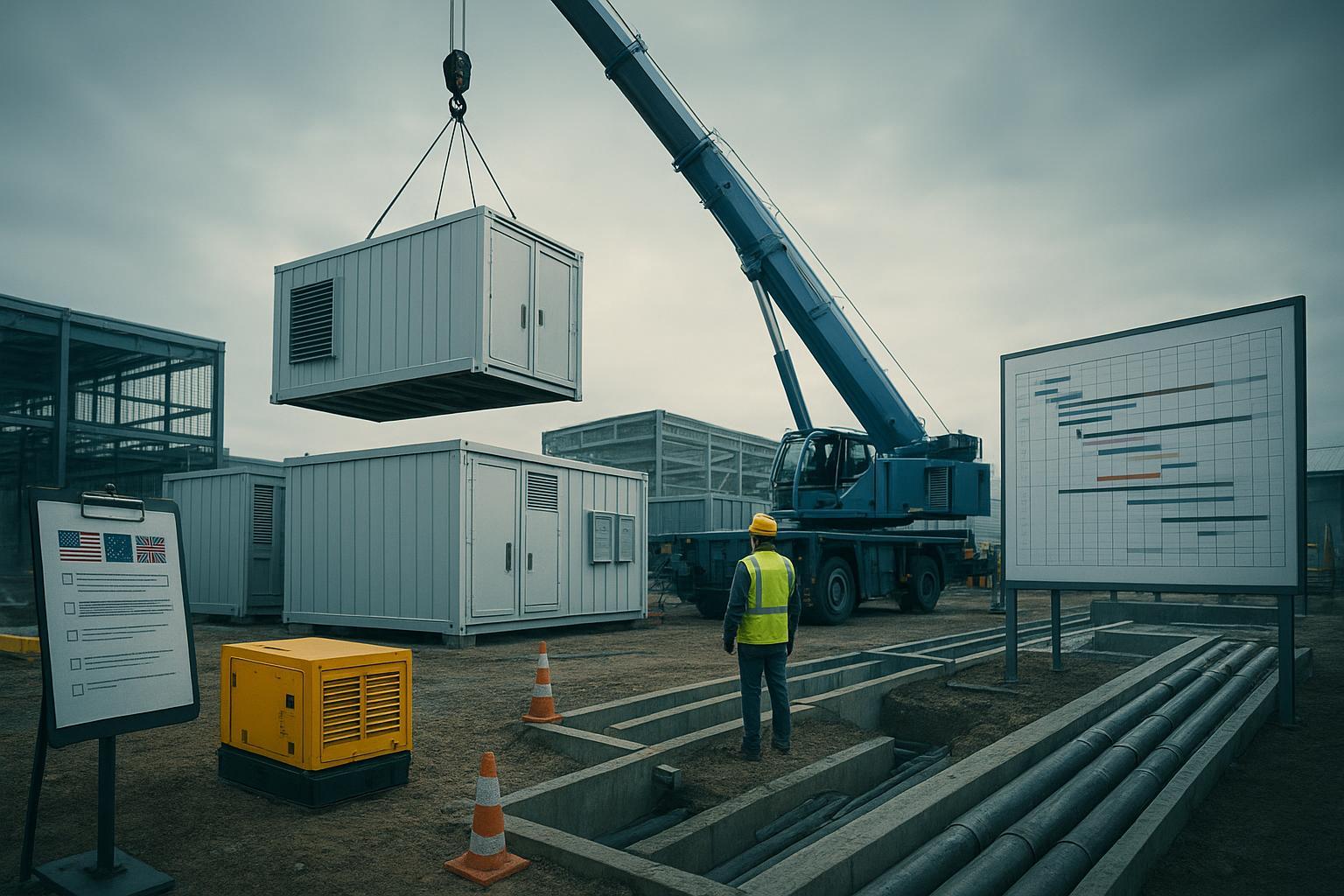
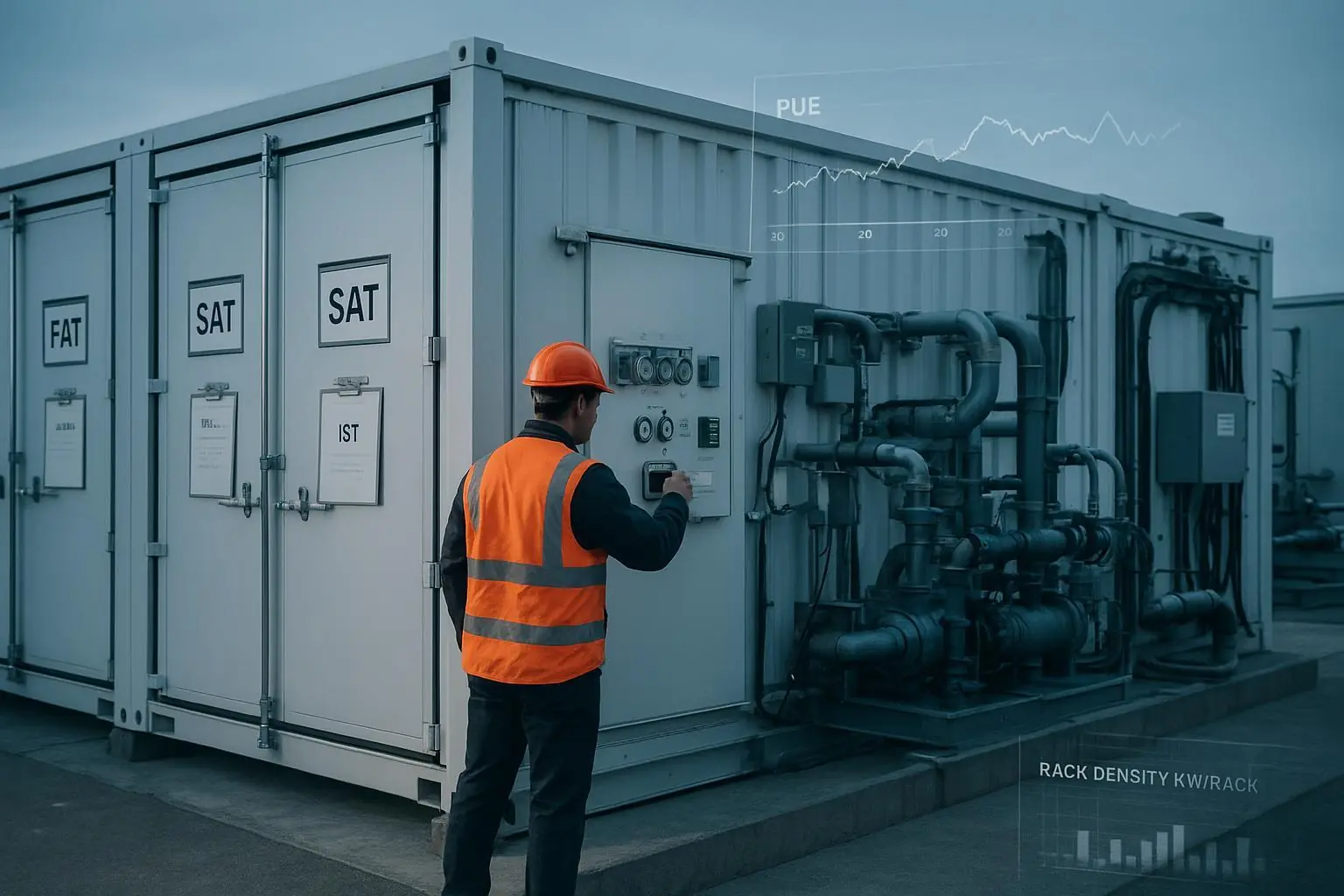
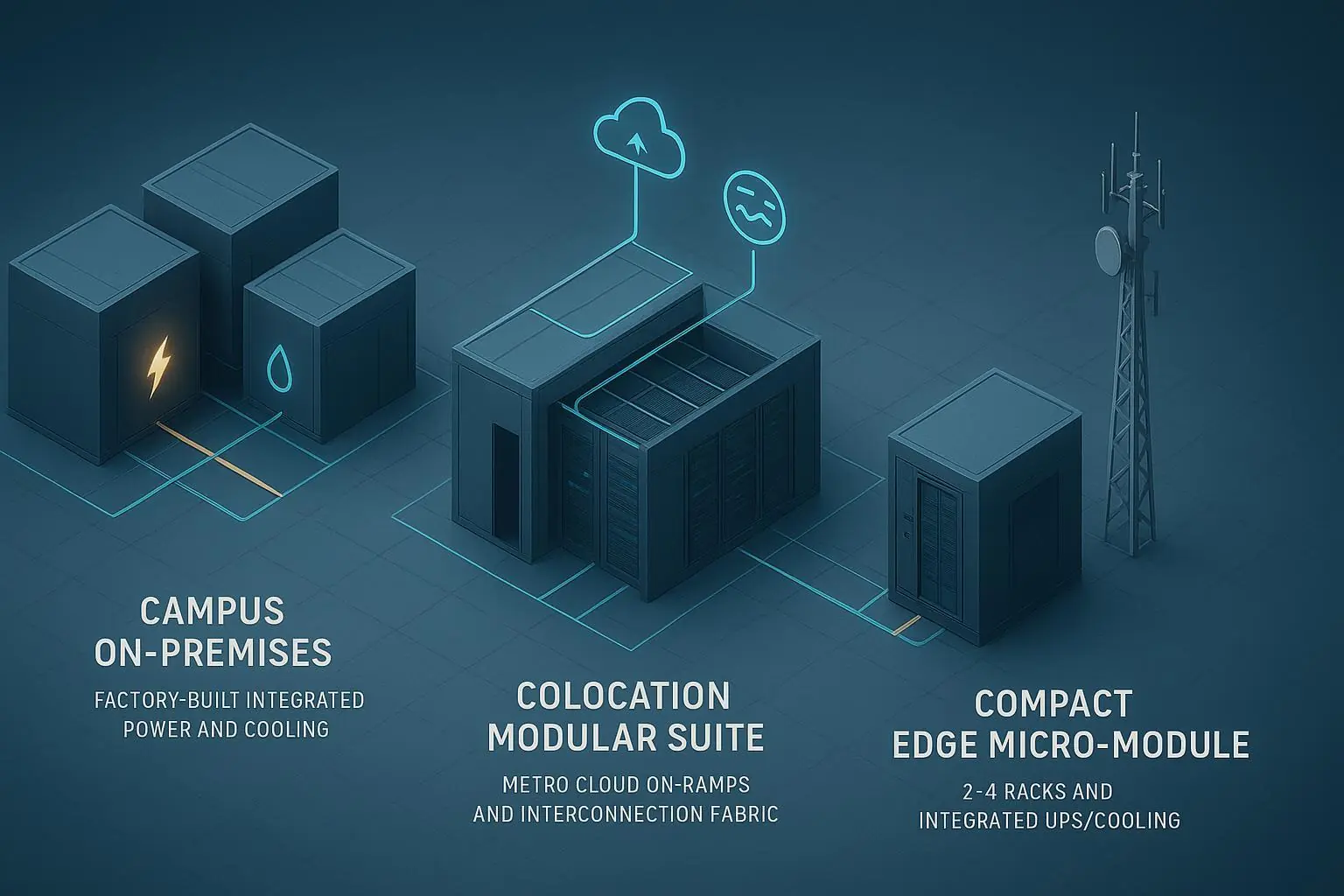
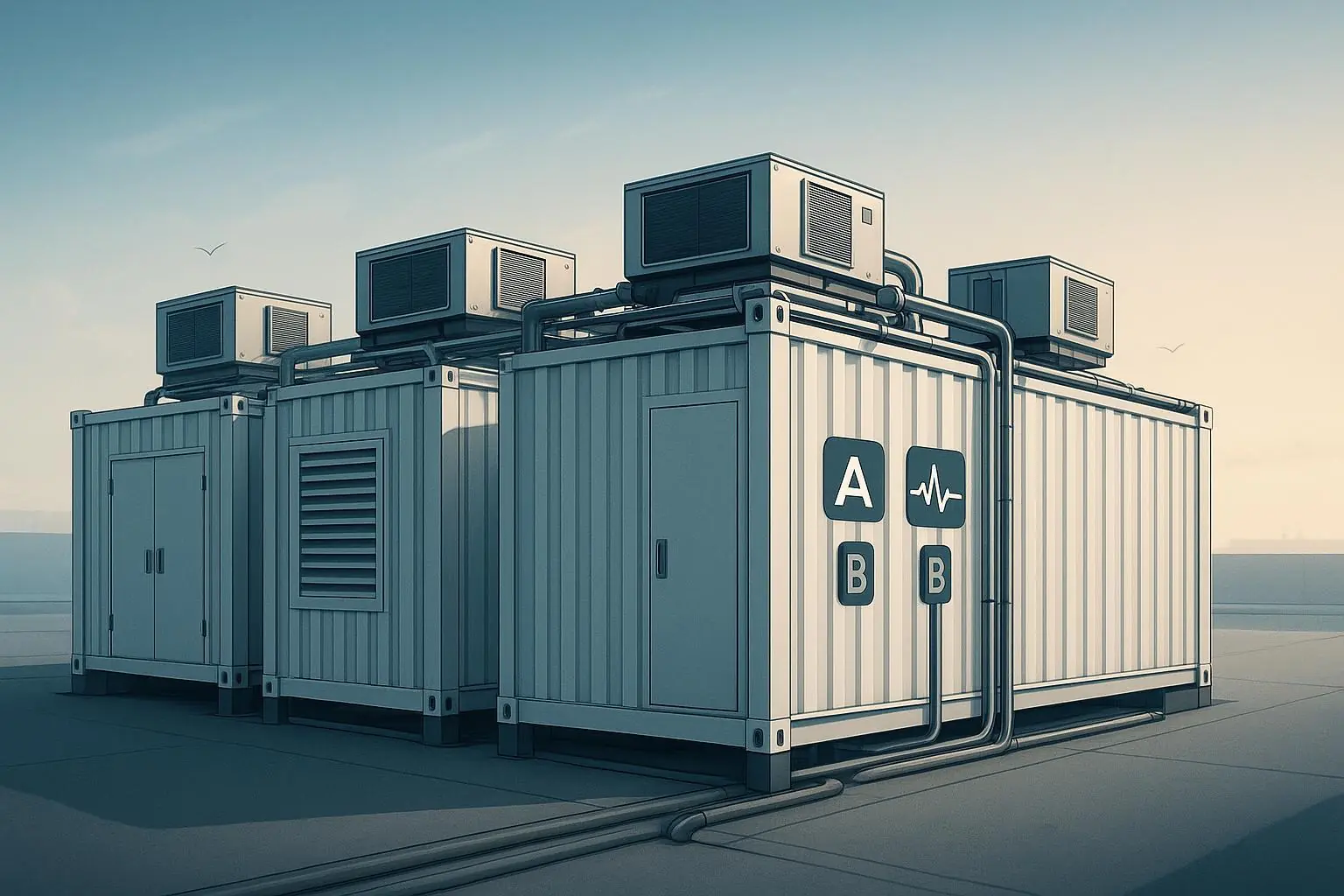
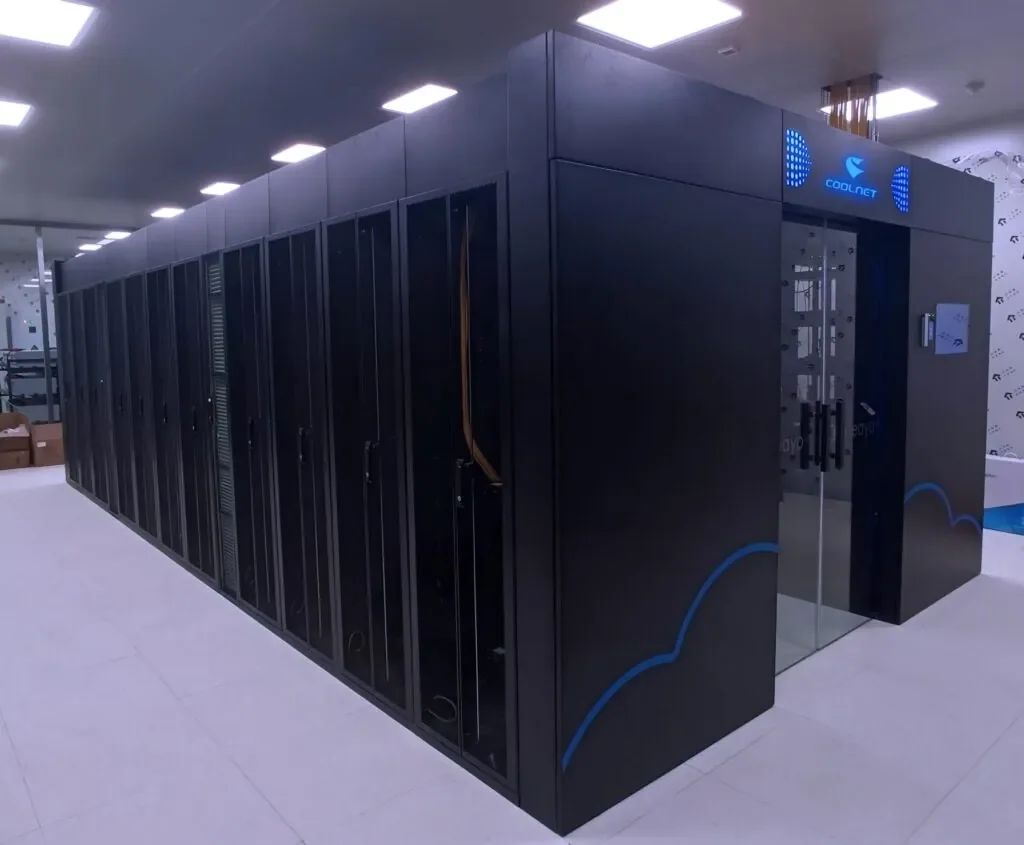
To address these challenges, modular infrastructure has become a practical approach for edge computing environments. A modular data center container enables compact, pre-integrated deployment close to where data is generated, reducing transmission distance and improving response time. When combined with edge computing strategies, this approach supports localized AI workloads while maintaining standardized design principles. We design our systems so that cooling, monitoring, and a data center power solution are integrated into a single modular framework, allowing deployment in diverse environments such as industrial sites, communication facilities, and smart buildings. This modular form also simplifies maintenance and operational planning over the system lifecycle.
Deployment and Scalable Expansion Strategies
Standardized modules allow organizations to deploy capacity incrementally rather than committing to large upfront investments. A modular data center container can be installed quickly and expanded as demand grows, minimizing disruption and operational risk. From a power perspective, modular architecture supports flexible load distribution, making it easier to adapt a data center power solution to local grid conditions and future expansion. Our approach aligns with integrated solution designs showcased by Coolnet, where prefabricated systems are optimized for fast delivery and predictable performance. This strategy helps organizations manage edge expansion efficiently while maintaining consistency across multiple sites.
Conclusion: Enabling AI at the Edge
In conclusion, modular data centers play a key role in enabling the wider adoption of AI-driven edge computing. By reducing latency, supporting localized processing, and allowing scalable deployment, a modular data center container provides a practical foundation for future infrastructure. When paired with a reliable data center power solution, these systems help organizations respond to evolving AI demands without unnecessary complexity. At Coolnet, we continue to focus on integrated, modular approaches that support stable edge operations and long-term infrastructure planning.