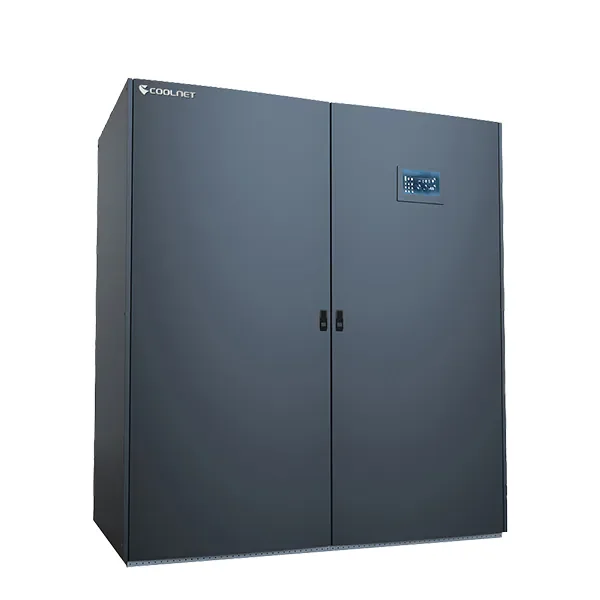
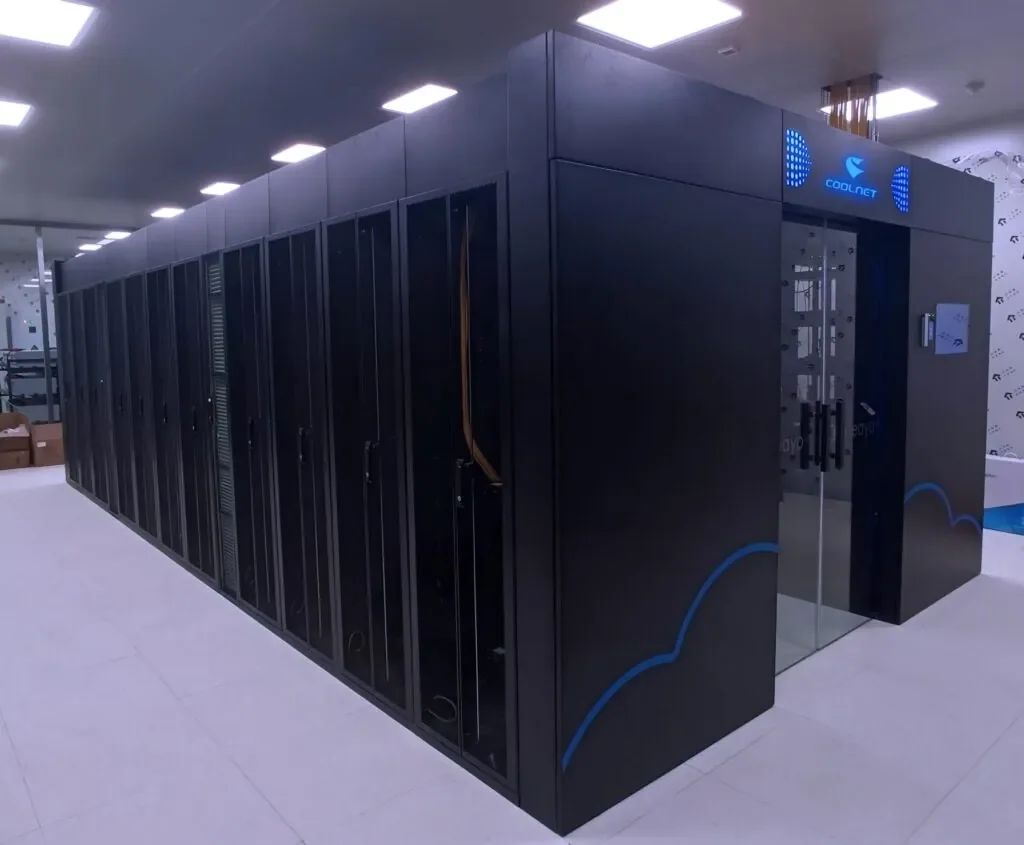
Data centers and server rooms form the physical foundation of modern IT infrastructure, supporting communication networks, cloud services, and enterprise operations. From our perspective, maintaining stable environmental conditions is essential to ensuring consistent system performance. Effective server room cooling plays a central role in protecting servers from thermal stress while supporting long-term operational reliability. Temperature and humidity monitoring are therefore not optional features but core elements of a well-managed HVAC strategy. Without accurate monitoring, even well-designed cooling equipment may fail to respond appropriately to changing loads within a server room.
Server Sensitivity to Temperature and Humidity
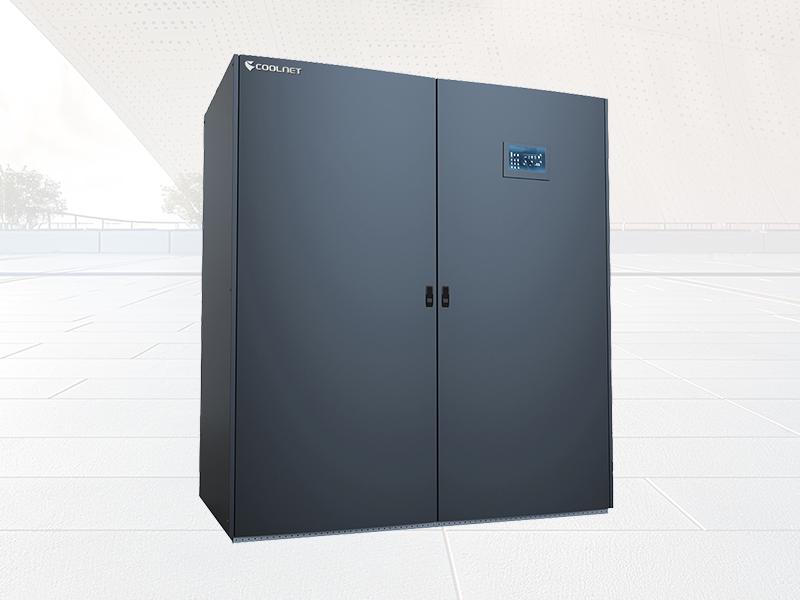
Servers are designed to operate within defined temperature and humidity ranges, and deviations can directly affect hardware stability. Excessive heat can increase the likelihood of component degradation, while improper humidity may lead to electrostatic discharge or condensation-related risks. To address these challenges, we implement sensor-based monitoring systems that continuously track environmental conditions. These systems help maintain temperature and relative humidity within commonly recommended ranges of 64–72°F and 40–50% RH. By linking sensor feedback to our precision air conditioning systems, we can adjust airflow, cooling output, and operating modes in response to real-time conditions. This approach allows server room cooling strategies to remain stable while adapting to workload fluctuations and layout changes.
Benefits of Intelligent HVAC Monitoring and Automation
Advanced HVAC monitoring systems provide more than basic environmental visibility. Real-time data collection enables faster response to abnormal conditions, while alarm mechanisms support timely intervention before issues escalate. Over time, collected data can be analyzed to identify trends related to heat density, airflow imbalance, or seasonal variation. These insights support informed planning and targeted system adjustments. When monitoring platforms are integrated with automated controls, precision air conditioning equipment can respond dynamically to sensor input rather than operating at fixed settings. This coordinated process improves overall cooling consistency and helps reduce unnecessary system strain, particularly in environments with variable server utilization.
Conclusion: Sustaining Reliable Server Environments Through Monitoring
In conclusion, intelligent HVAC monitoring systems contribute directly to reducing server failure risks and supporting longer equipment service life. By combining automated monitoring with properly configured server room cooling solutions, temperature and humidity can remain within stable ranges even as infrastructure evolves. At Coolnet, we focus on integrating monitoring logic with hardware-oriented cooling designs to support maintainable and adaptable environments. We recommend regular review of sensor placement, periodic calibration, and ongoing evaluation of monitoring data to ensure systems remain aligned with operational demands. Through consistent monitoring and thoughtful system upgrades, organizations can sustain reliable server performance while preparing for future growth.