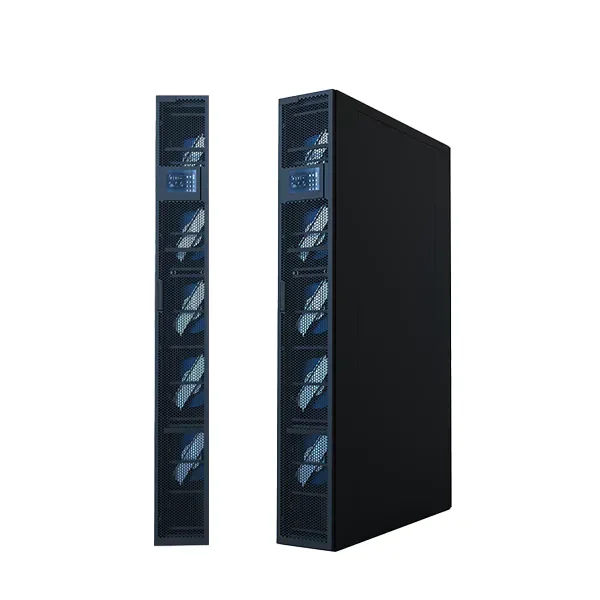
In the current era of hyper-distributed computing, the landscape of digital infrastructure is shifting away from purely centralized facilities toward the edge. At Coolnet, we have witnessed a significant surge in the demand for IT equipment situated in decentralized scenarios, such as branch offices, retail hubs, and smart city nodes. This rapid growth in small server rooms has created an urgent need for standardized and highly replicable infrastructure solutions. Unlike large-scale hubs, these compact environments often lack dedicated HVAC systems or structural space for traditional raised floors. Consequently, we believe that the success of modern edge computing relies on the ability to deploy robust computing power in any environment without compromising on performance or reliability.
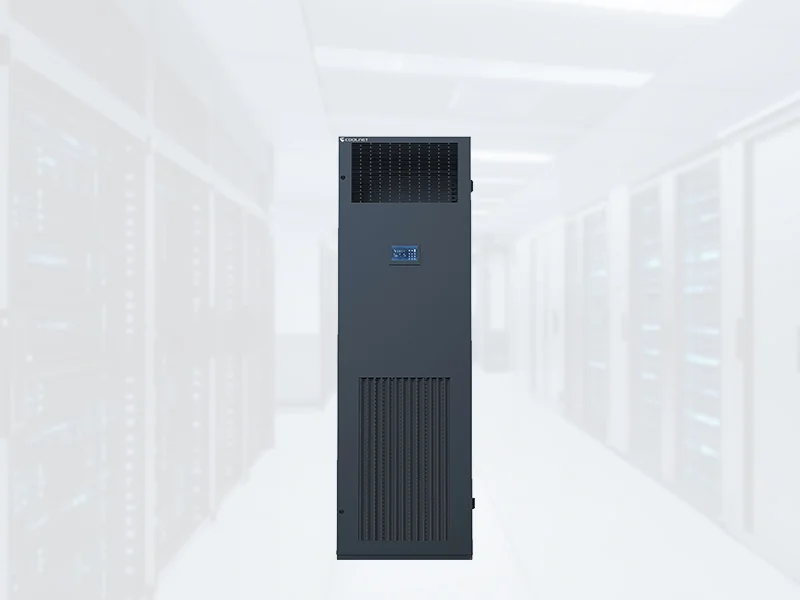
The Limitations of Room-Level Cooling in Compact Scenarios
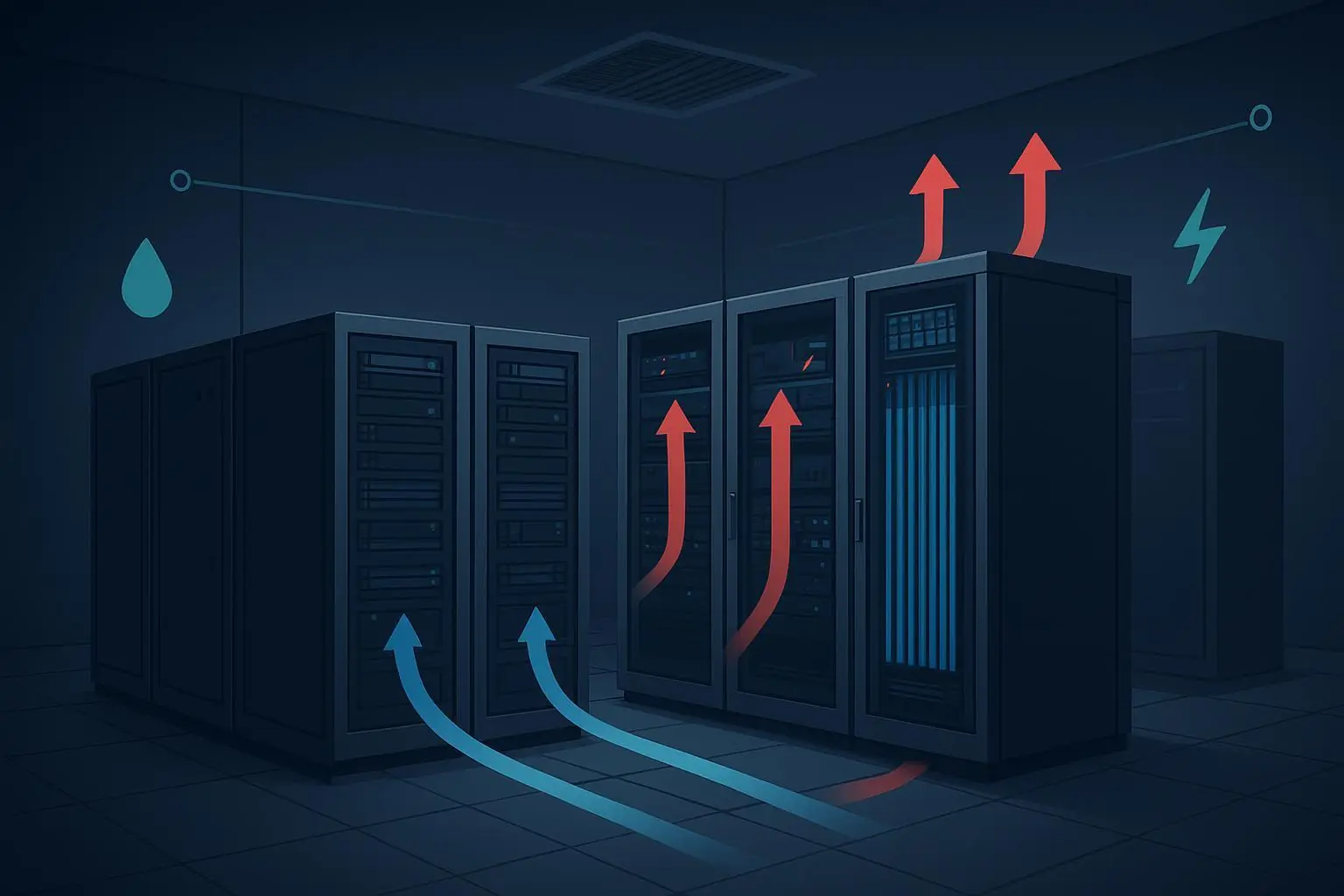
Traditional room-level air conditioning systems frequently struggle when applied to small-scale or fragmented IT environments. In our experience, using standard building HVAC or large floor-standing units in a small room often leads to lower cooling efficiency, as cold and hot air streams inevitably mix in the open space. This lack of airflow control not only increases operational costs but also creates localized hotspots that can cause server throttling or hardware failure. Furthermore, the construction and maintenance costs of specialized room-level cooling for just one or two racks are disproportionately high. For organizations requiring rapid, small-scale deployment, the complexity of traditional cooling becomes a primary obstacle, which is why we have focused our engineering efforts on a more targeted approach.
The Strategic Advantages of a Dedicated Small Cabinet Air Conditioner
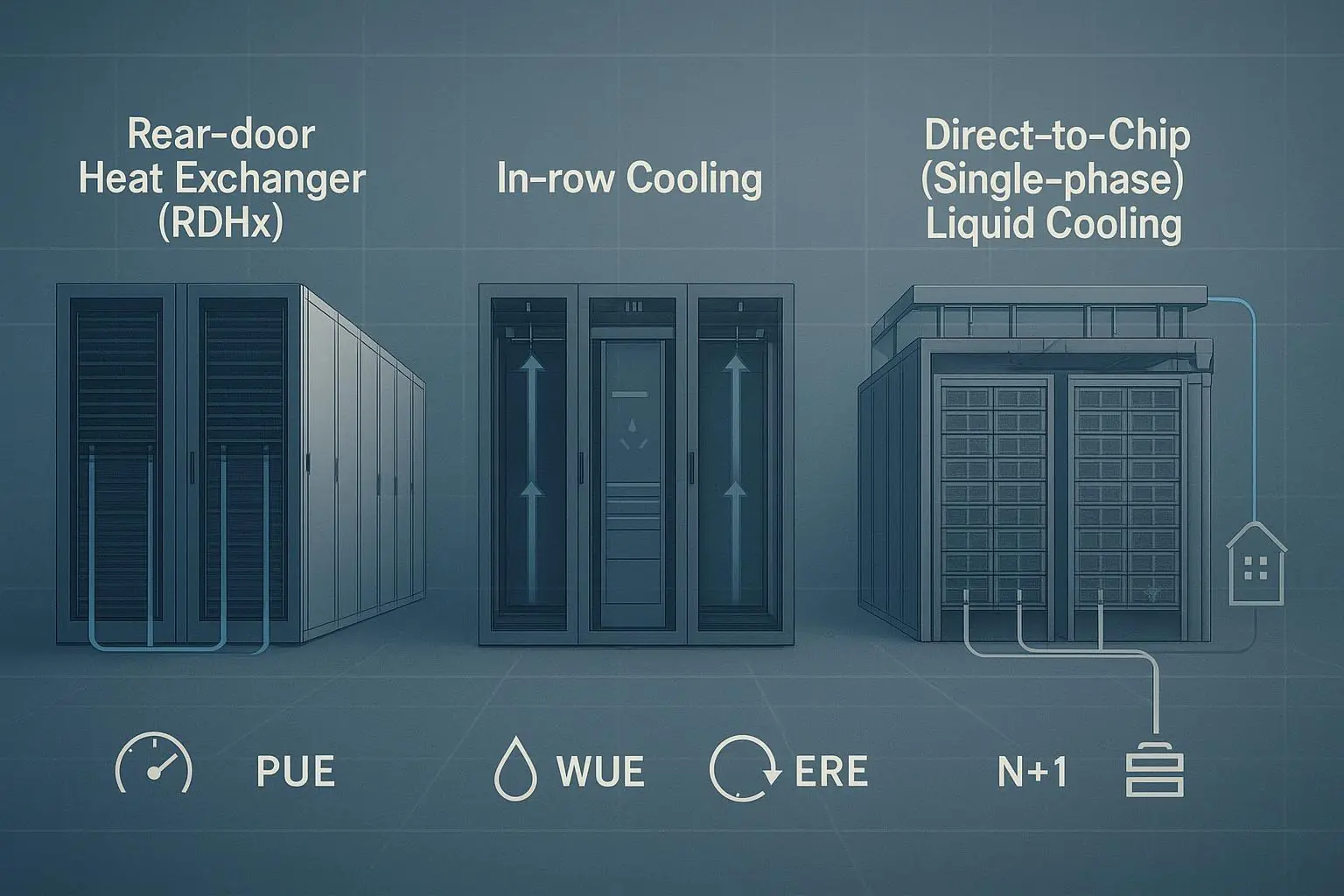
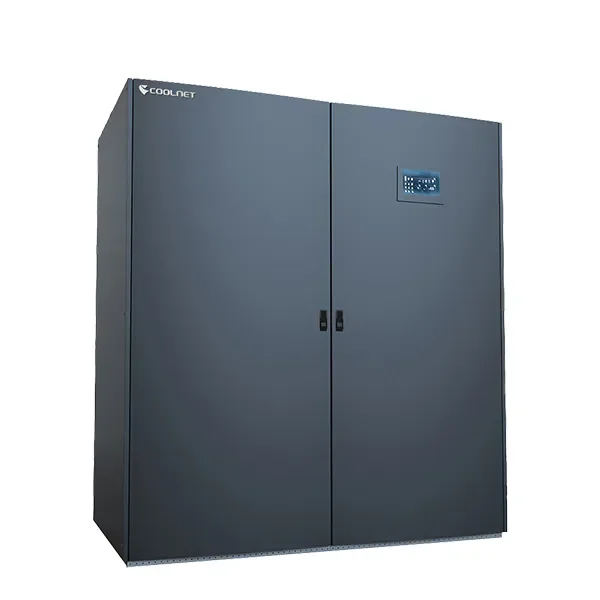
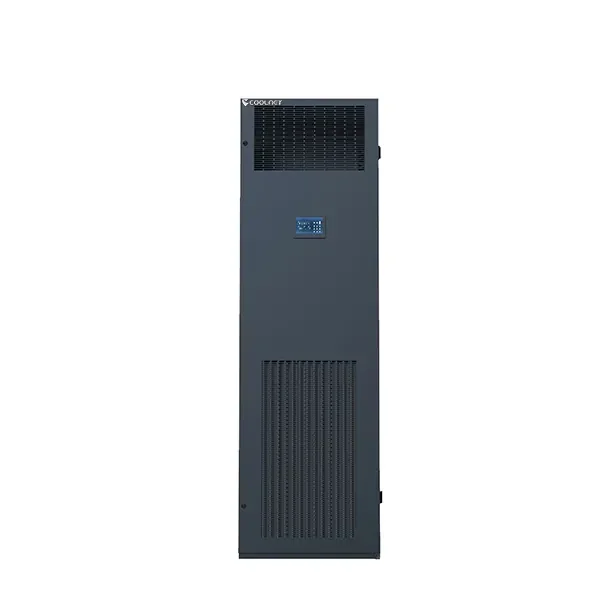
To address these thermal inefficiencies, we advocate for a shift toward localized precision. A small cabinet air conditioner provides cooling directly at the heat source—the IT equipment itself. By cooling the interior of the rack rather than the entire room, we can support much higher server densities within a compact footprint. This precision thermal management helps contain airflow, dissipate heat efficiently, and maintain system stability even when external room conditions vary. At Coolnet, our small cabinet air conditioner units are designed for high efficiency and rapid heat exchange, allowing for a standardized environment that significantly reduces the overall energy consumption of the facility while protecting sensitive digital assets from environmental fluctuations.
How Micro Data Center Companies are Redefining System Integration
The industry is currently undergoing a fundamental transformation as micro data center companies move away from the traditional practice of “piecemeal equipment assembly” toward total system integration. We recognize that cooling is no longer a secondary consideration but has become the core pillar of reliability for micro-scale infrastructure. Modern micro data center companies must ensure that every component—from power distribution to thermal control—works in perfect harmony. In this new paradigm, the small cabinet air conditioner is recognized as a critical component that enables the “plug-and-play” functionality required for edge sites. By integrating these units into a cohesive package, we provide a self-contained ecosystem that reduces the need for complex site preparation and helps shorten the path to operational readiness.
Integrating Cooling into the Unified Coolnet Micro Architecture
Our approach at Coolnet involves a unified design philosophy where cooling, power supply, and monitoring are engineered as a single entity. We have specifically tailored our solutions to adapt to diverse scenarios, including office spaces, medical laboratories, and remote branch locations where space and technical staff are limited. By integrating a small cabinet air conditioner with our high-reliability UPS and intelligent monitoring systems, we help the micro data center operates autonomously and efficiently. This integrated logic allows for 24/7 remote oversight, enabling IT managers to maintain control over their distributed assets without needing to be physically present at every site. Our goal is to provide a standardized, high-quality digital foundation that scales with the needs of the enterprise.
Advancing Sustainability and Performance at the Edge
Efficiency is a cornerstone of the Coolnet value proposition. In small-scale deployments, achieving a low PUE (Power Usage Effectiveness) is notoriously difficult due to the overhead of cooling systems. However, our integrated designs use enclosed airflow management and integrated cooling to improve energy efficiency. We leverage our two major R&D centers in Changsha and Shanghai to refine these systems, helping even single-rack micro data center deployments achieve stronger energy-efficiency performance. By manufacturing all core components in-house, we maintain absolute control over the quality and delivery of our solutions, providing our B2B partners with a reliable, cost-effective path to digital transformation at the edge.
Conclusion: Driving Standardization through Innovation
The advancement of cabinet-level cooling is undoubtedly the primary driver behind the standardization of micro-scale digital infrastructure. We believe that the long-term value of a small cabinet air conditioner lies not just in its cooling capacity, but in its ability to enable consistent, repeatable IT environments across thousands of locations. As a leading player among micro data center companies, Coolnet remains dedicated to revolutionizing how energy and data intersect. We bring more than just hardware to the table; we provide the architectural vision and engineering expertise required to turn complex edge challenges into simple, scalable assets. As the digital world continues to decentralize, we will continue to provide the highest standards of cooling and power to ensure the infrastructure of tomorrow is built on a solid, efficient foundation.