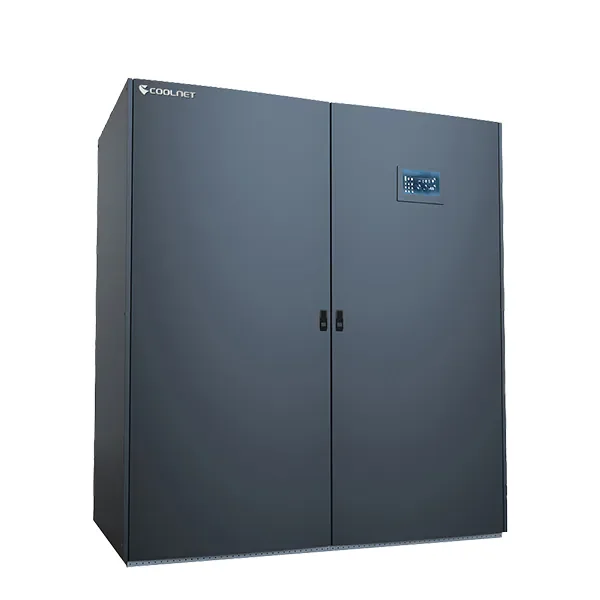
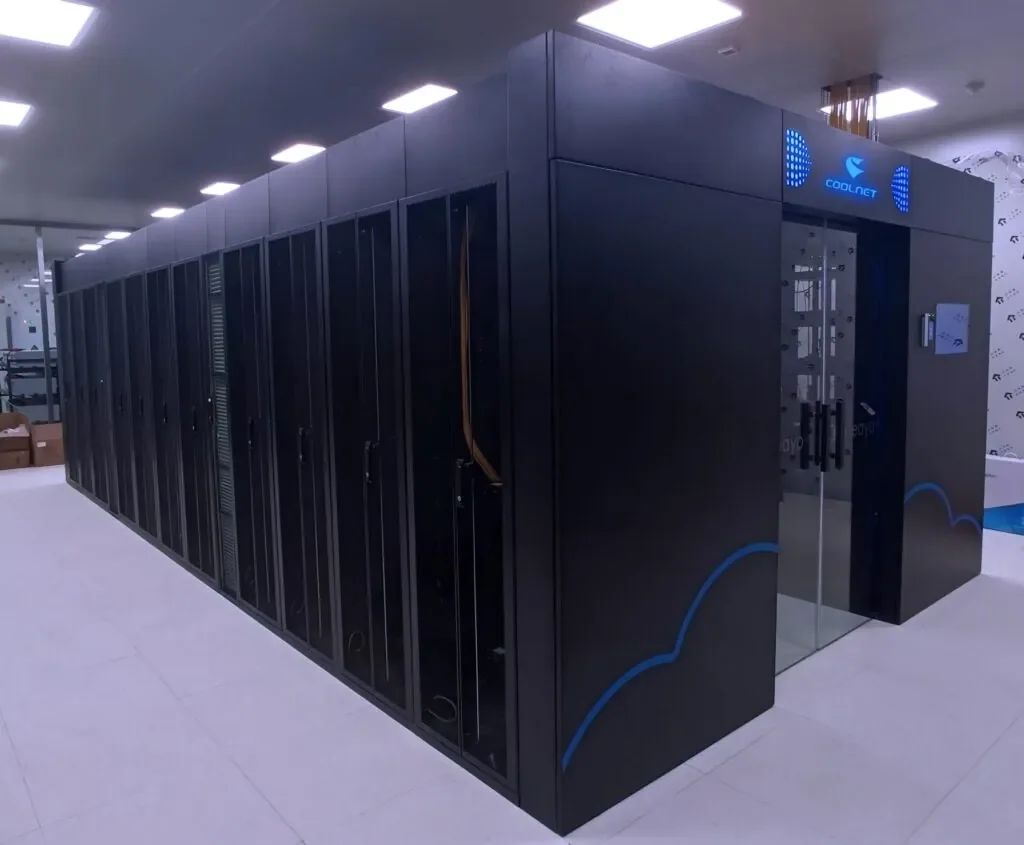
Servers generate significant heat during continuous operation, and managing that heat is critical to maintaining stable data center environments. Even short interruptions in cooling can raise internal temperatures and increase the risk of unplanned downtime. From our experience, air conditioning for computer room environments plays a direct role in protecting IT infrastructure. At Coolnet, we approach cooling design as part of overall reliability planning, focusing on how redundancy can reduce operational risks and support uninterrupted data center performance.
Why Redundant Cooling Systems Are Necessary
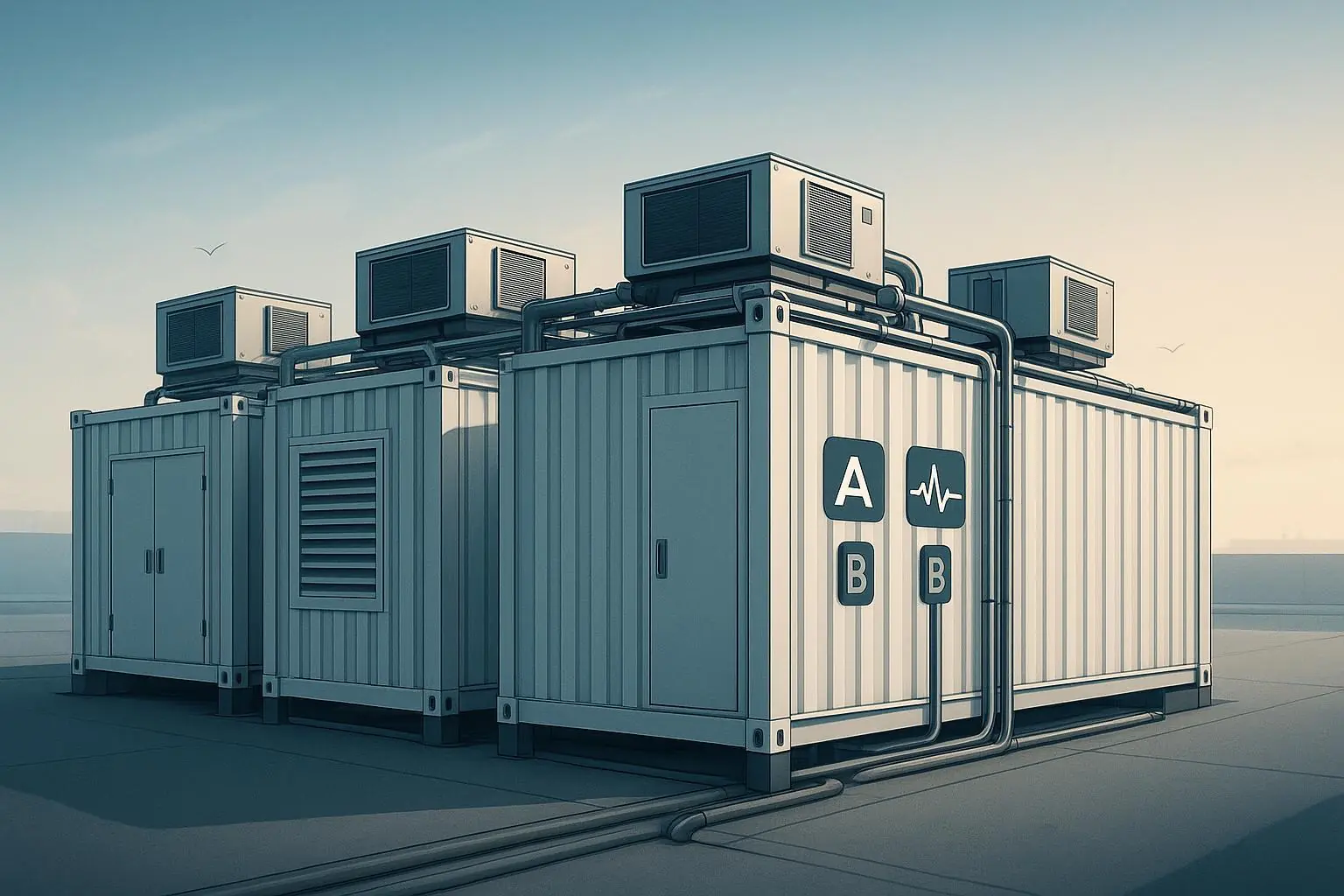
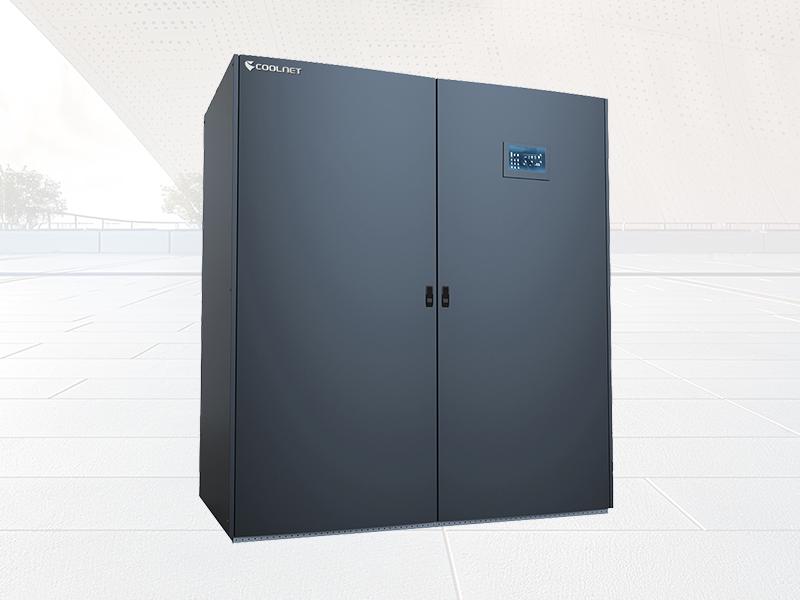
A single HVAC system may meet daily operational needs, but it still faces potential risks such as component aging, power instability, or maintenance downtime. When a primary system becomes unavailable, temperature changes can occur rapidly and unevenly across racks. Without sufficient air conditioning for computer room capacity, hotspots may form and place additional stress on servers. Introducing redundant cooling capacity, including backup cooling units and independent power sources, helps mitigate these risks. In practical applications, adding an additional CRAC unit allows cooling to continue even when the main system experiences reduced performance.
Design and Implementation of Redundant Cooling
Effective redundancy starts with proper system design. Dual-system or N+1 configurations are commonly used to balance reliability and operational efficiency. Airflow optimization also plays an important role. Hot aisle and cold aisle arrangements guide airflow and reduce mixing, allowing cooling resources to be used more efficiently. In these layouts, each CRAC unit supports stable temperature control across defined zones. Automatic switching between primary and backup systems further ensures that air conditioning for computer room environments remain within acceptable operating ranges during unexpected events.
Maintenance and Monitoring Strategies
Redundant systems require ongoing maintenance and monitoring to remain effective over time. Regular testing confirms that backup cooling units are ready to operate when needed. Environmental monitoring systems provide continuous visibility into temperature and humidity conditions, helping operators identify potential issues early. By tracking trends, teams can adjust system performance before hotspots or excessive moisture affect equipment reliability. Our precision room cooling solutions are designed to integrate with monitoring platforms, enabling each CRAC unit to operate within clearly defined parameters and support long-term system stability.
Conclusion: Strengthening Data Center Reliability
Redundant cooling systems play a critical role in maintaining reliable data center operations. Through thoughtful system design, proper airflow management, and consistent monitoring practices, operators can reduce thermal risks and support continuous performance. In our view, well-planned air conditioning for computer room environments contribute directly to infrastructure resilience. Precision air conditioning solutions from Coolnet are developed to support these reliability goals by providing stable, adaptable cooling within modern data center facilities.