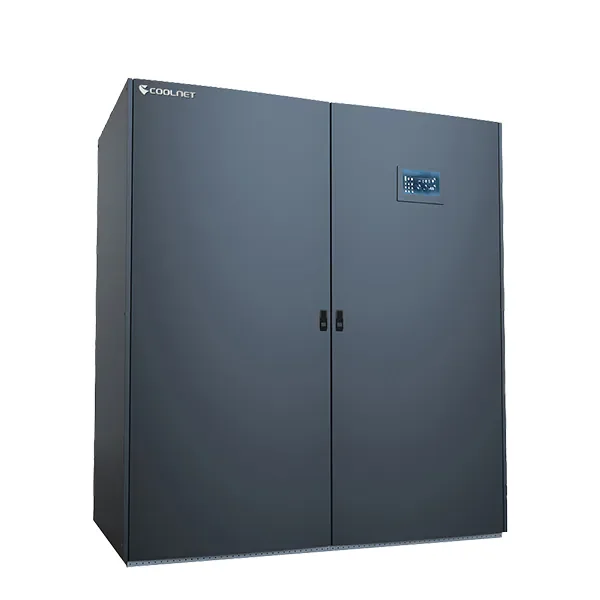
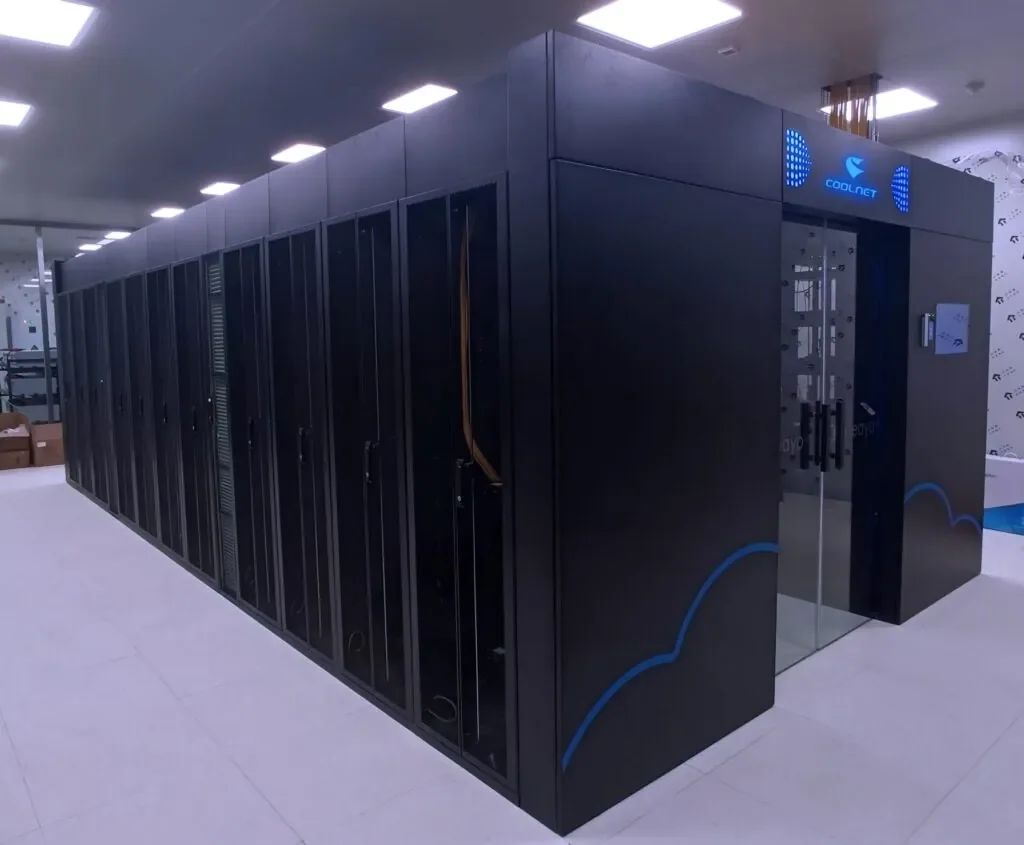
In today’s fast-evolving cloud environment, efficient data center capacity management has become critical for businesses seeking reliable, scalable, and energy-efficient solutions. With data volume increasing rapidly, particularly driven by artificial intelligence (AI) and high-performance computing (HPC), the power capacity planning required to support these technologies is no small feat. At Coolnet, we understand that managing this growth effectively requires precise planning and the right infrastructure to ensure that the data center not only meets current demands but is also prepared for future expansion.
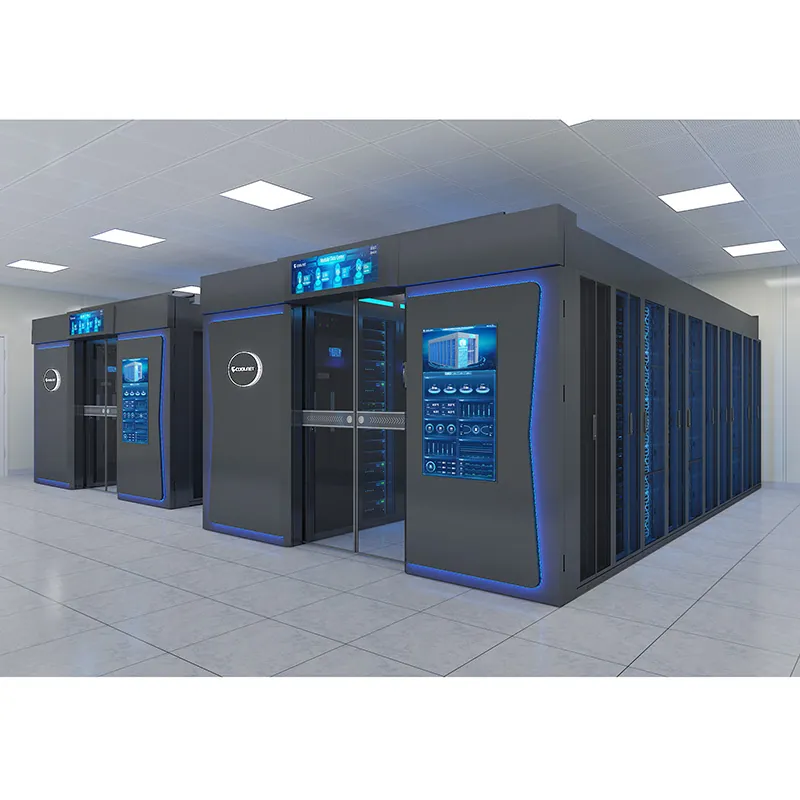
Why Capacity Management is Becoming a Key Issue in Data Centers
As data continues to grow exponentially, so does the demand for power and cooling in data centers. AI and HPC technologies have introduced higher power densities, putting more strain on existing infrastructure. Without effective capacity management, organizations face two significant risks: underutilization or overprovisioning. Insufficient capacity can lead to downtime or performance bottlenecks, while overprovisioning can unnecessarily inflate costs. This is why power capacity planning has become a crucial aspect of ensuring that data centers can scale effectively while maintaining operational efficiency.
The Core Elements of Capacity Management
At the heart of data center capacity management lies the integration of various key elements: power, cooling, space, network, and storage. These components do not function independently but rather work together to determine how efficiently a data center operates. Among these, power plays a pivotal role as the primary constraint. Without sufficient power, even the most advanced cooling systems or network infrastructure would fail to perform at their optimal level. Thus, power capacity planning becomes the critical factor in determining the overall efficiency of data center operations.
Power Capacity Planning at Different Levels
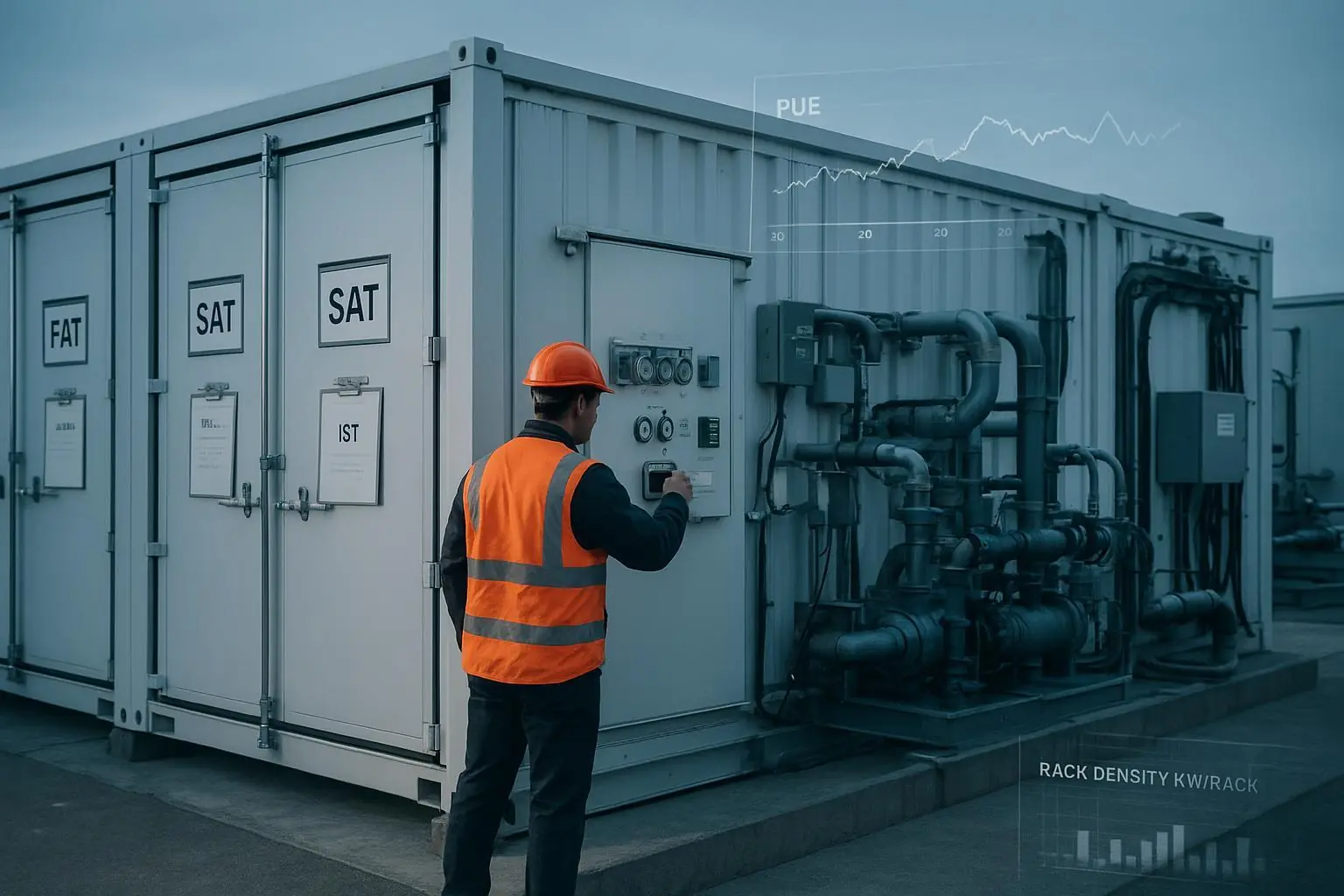
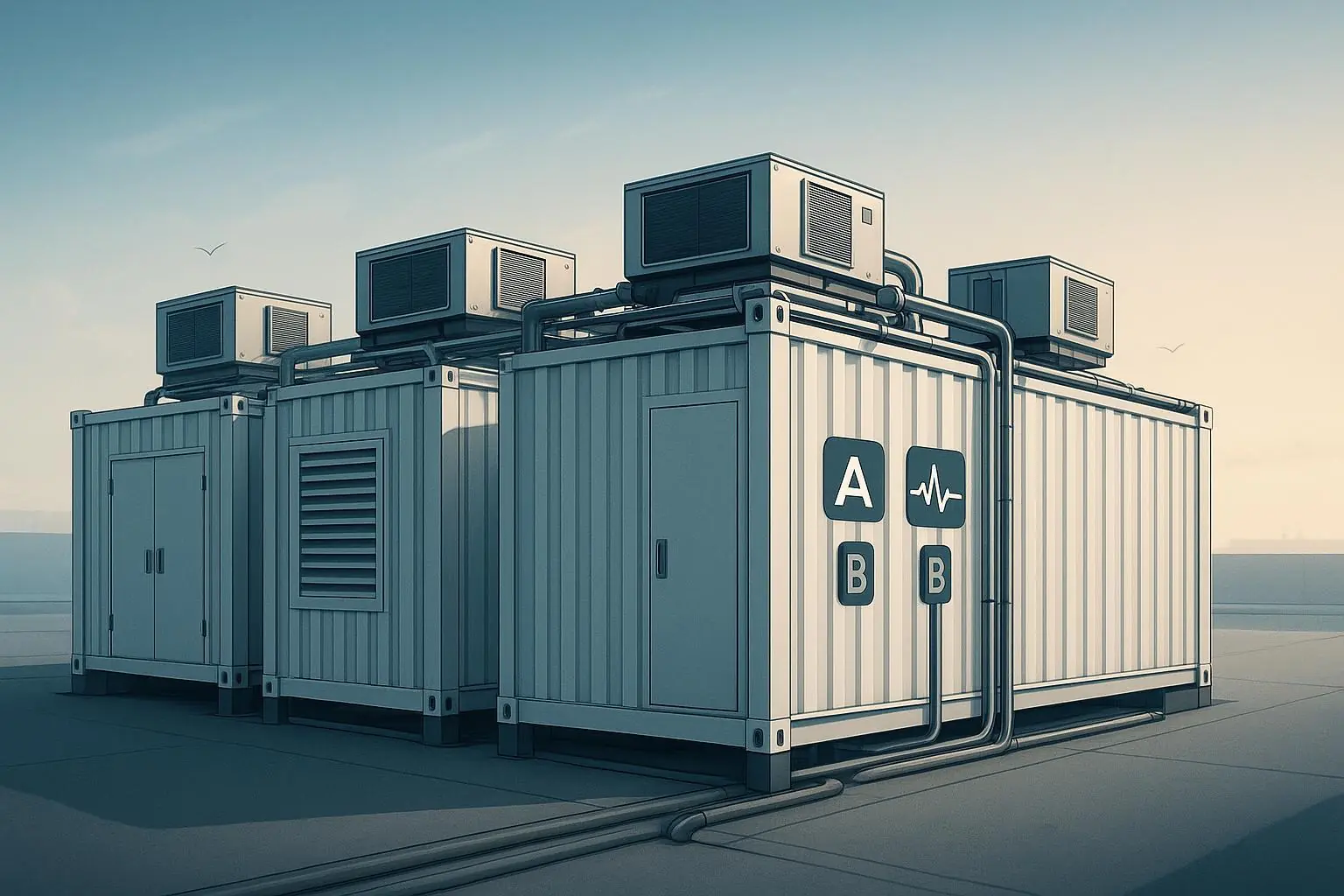
Effective power capacity planning involves designing solutions that account for varying levels of data center infrastructure. At the cabinet level, each server rack must be designed with optimal power density and redundancy to prevent individual server failures. At the row and room levels, comprehensive power distribution and UPS logic are needed to ensure that the entire data center remains operational even during power surges or outages. Coolnet provides tailored solutions at all these levels, ensuring a balance between high power density and redundancy to maintain performance and uptime.
How Coolnet Supports Sustainable Capacity Management
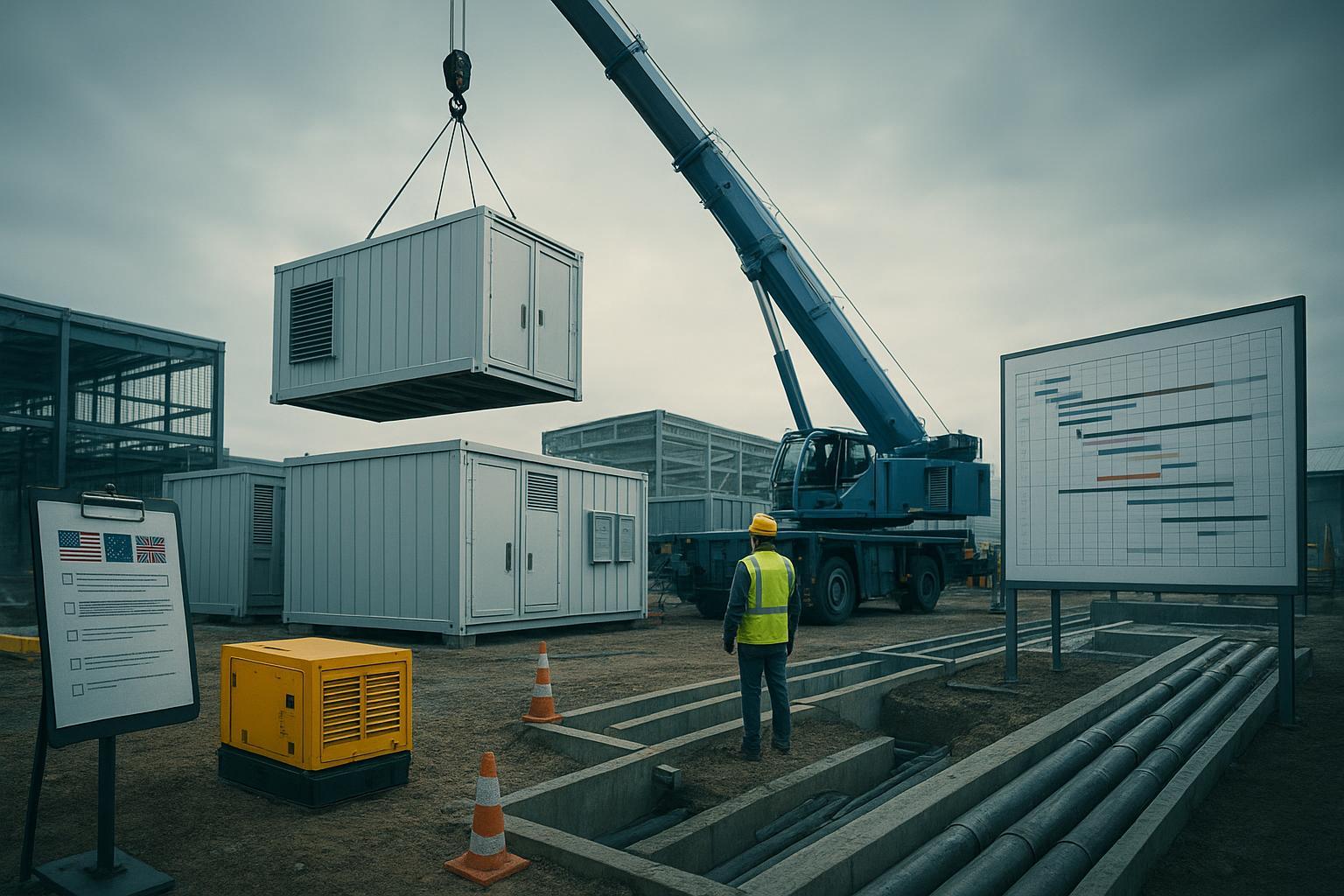
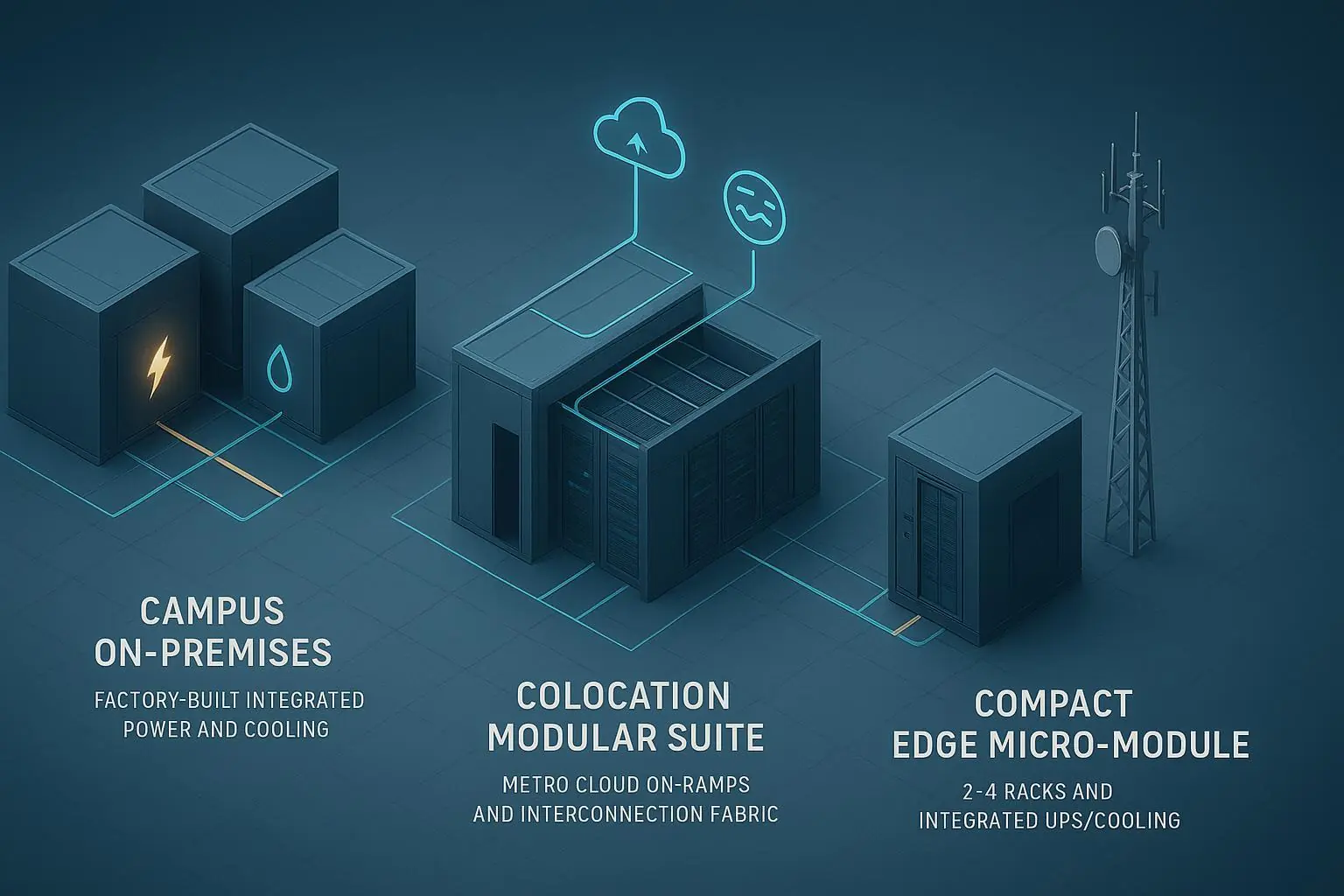
One of the key advantages of Coolnet’s approach to capacity management is our modular power and cooling designs. This flexibility allows businesses to expand their infrastructure without significant upfront investment, as they can easily scale their systems when the need arises. By reserving power and cooling capacity for future expansion, we ensure that businesses are prepared for growth without having to redesign or replace systems entirely. This forward-thinking approach minimizes disruption and optimizes both energy use and cost efficiency.
From Passive Expansion to Proactive Planning
As data centers evolve, it’s important to transition from passive expansion—simply adding more capacity as needed—to proactive capacity management. Coolnet takes a forward-thinking approach to ensure that businesses can anticipate future growth and plan accordingly. By using scientific methods and modeling, we help clients reduce the risks associated with downtime and power overloads while maximizing the efficiency of their operations.
Conclusion
In conclusion, data center capacity management and power capacity planning are essential components of ensuring that data centers remain efficient, scalable, and reliable in the cloud era. Coolnet‘s solutions provide the flexibility, scalability, and forward-thinking strategies necessary to meet these demands. With our modular designs and proactive planning, we help businesses manage their infrastructure in a way that supports both current and future growth, minimizing risks and maximizing performance.