Data centers are at the core of modern IT infrastructure, supporting everything from cloud computing to edge applications. However, with the rapid expansion of digital services, businesses are facing new challenges in managing the cooling and power needs of high-density data centers. The integration of modular data center cooling and modular UPS for data center has become an essential solution for improving energy efficiency, scalability, and system reliability. At Coolnet, we have developed a modular approach that addresses these issues effectively.
The Core Challenges of Modular Data Centers
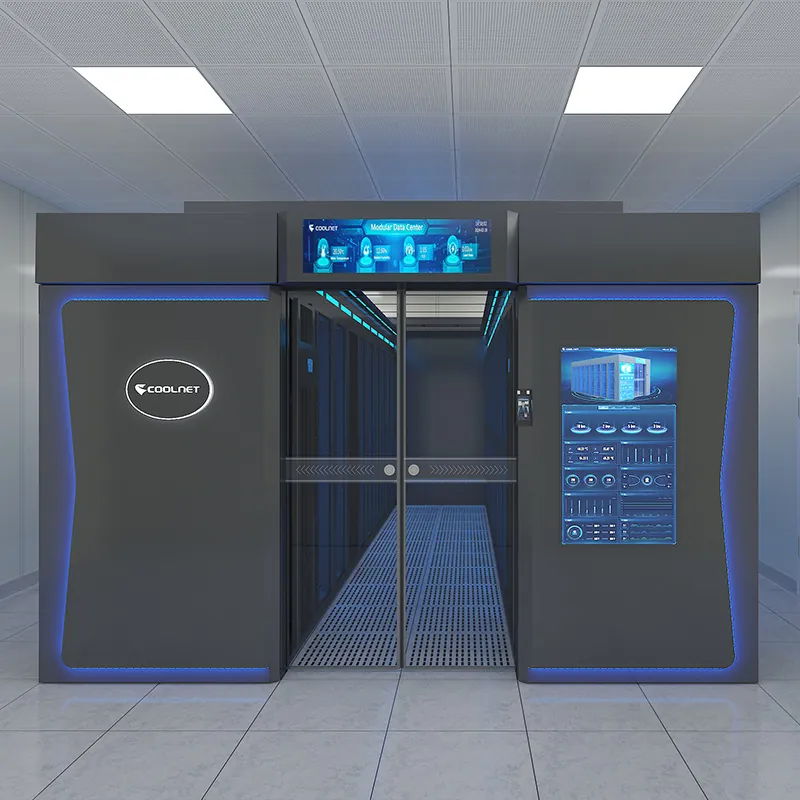
One of the primary challenges for any modern data center is managing heat generation and ensuring a stable power supply under high-density loads. Modular data center cooling plays a crucial role in maintaining optimal operating temperatures. However, traditional cooling systems are often limited by their inability to efficiently manage the specific cooling needs of varying rack configurations. Additionally, the modular UPS for data center solutions faces similar issues with flexibility and scalability. Independent cooling and power systems also tend to be less efficient, increasing both operational costs and environmental impact.
Coolnet’s Modular Cooling System Design Logic
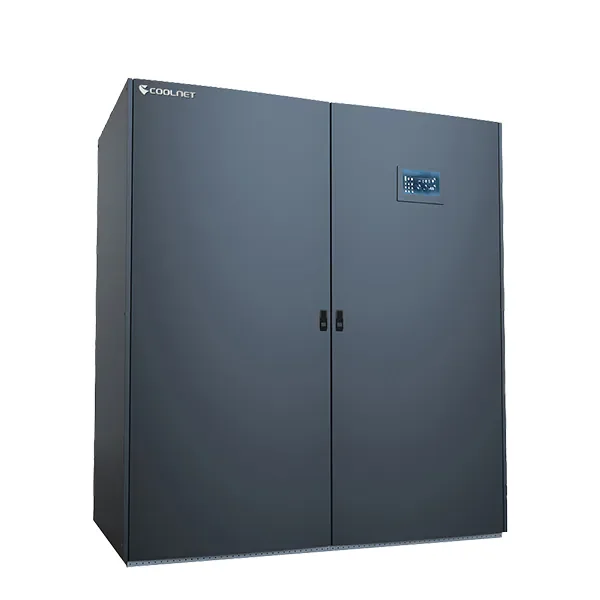
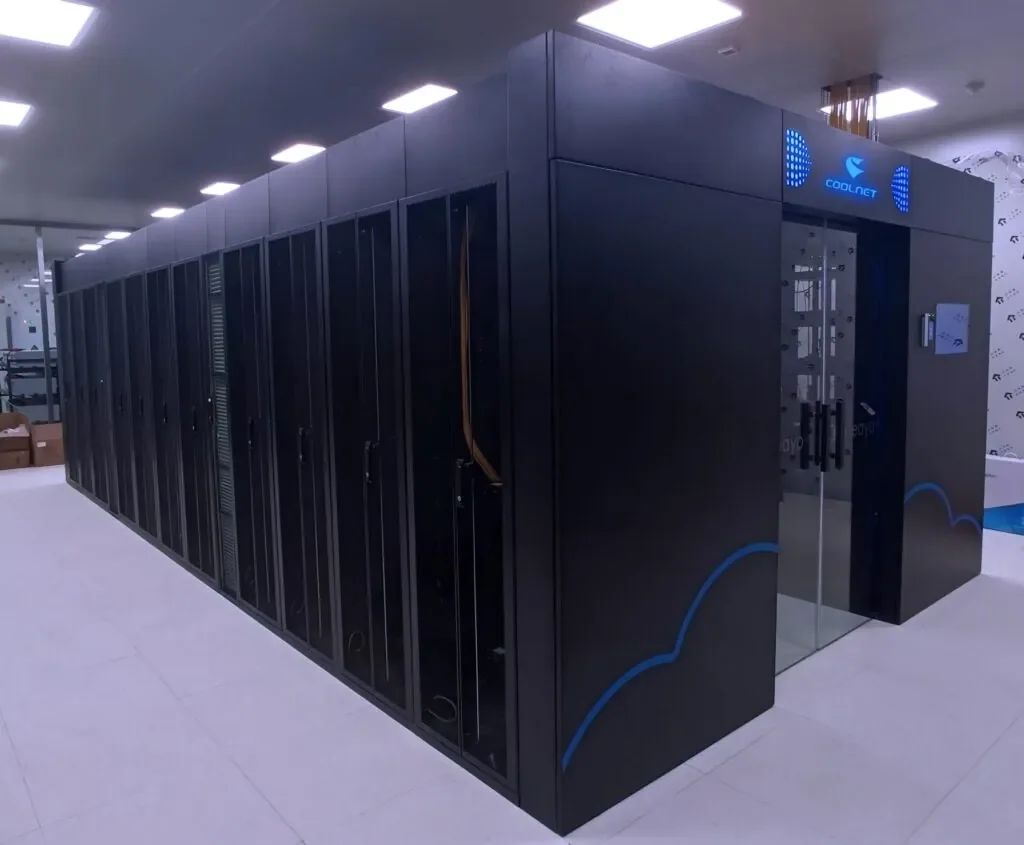
At Coolnet, we have taken a more flexible approach to modular data center cooling. Our solution is adaptable to various needs, including row-level, room-level, and liquid cooling systems. This flexibility allows us to implement the most efficient cooling method for any specific data center design. By utilizing hot and cold aisle containment systems, we improve PUE (Power Usage Effectiveness) and create a highly energy-efficient environment. This approach significantly reduces cooling costs while maintaining system reliability, allowing businesses to meet growing demand with less energy.
The Role of Modular UPS in Data Centers
Modular UPS for data center solutions are another key component of our integrated approach. Our modular UPS systems are designed to be highly scalable, allowing for capacity expansion as the demand for power increases. This scalability ensures that critical IT loads are always supported, even as the data center evolves. The modular design allows for easy maintenance and upgrades without disrupting operations. At Coolnet, we recognize the importance of continuous power supply in maintaining uptime, especially in environments where downtime can result in significant losses.
Synergy Between Cooling Systems and UPS
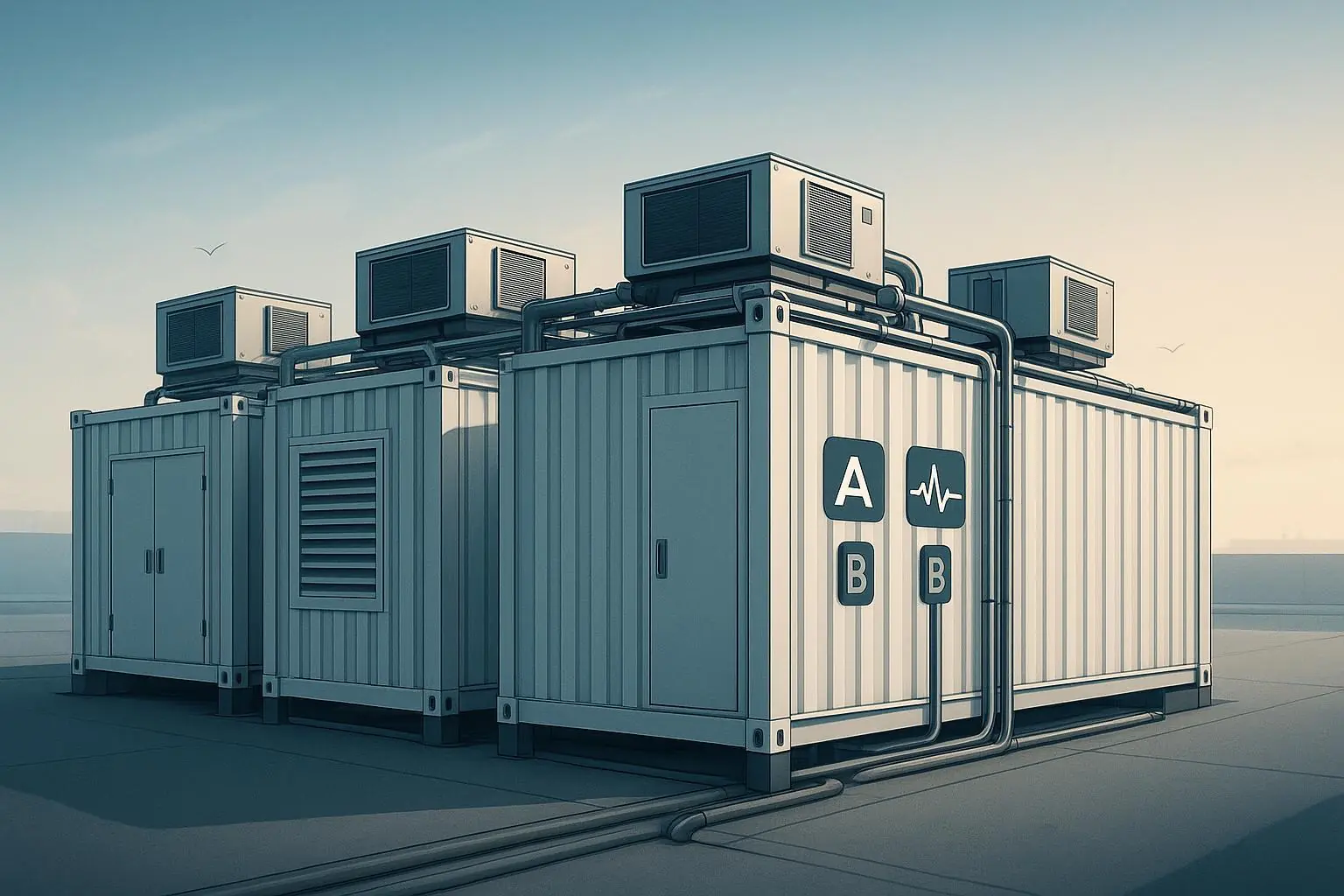
The synergy between modular data center cooling and modular UPS for data center solutions is where our integrated approach truly shines. By synchronizing power and cooling capacity, we enable more efficient operations. As the power supply expands, the cooling capacity expands in tandem, ensuring that all systems remain within optimal temperature ranges. This integrated approach not only enhances the overall efficiency of the data center but also reduces the costs associated with energy fluctuations and system redundancy.
The Value of Coolnet’s Integrated Modular Solution
The value of Coolnet’s modular solution lies in its ability to provide rapid deployment, high reliability, and long-term scalability. Our system is designed to meet the demands of both cloud and edge applications, making it ideal for organizations looking to future-proof their IT infrastructure. With easy expansion capabilities and seamless integration, Coolnet’s integrated modular solutions provide an efficient and reliable foundation for next-generation data centers.
Conclusion
In conclusion, as data centers continue to grow in scale and complexity, the need for flexible, energy-efficient, and scalable solutions becomes even more critical. At Coolnet, we believe that integrating modular data center cooling with modular UPS for data center systems is the key to meeting these challenges while ensuring a sustainable future for digital infrastructure.